Key facts
- Toyota and Honda have halted vehicle production in Thailand due to severe flooding.
- Flooding has disrupted transport routes and the delivery of automotive parts.
- Honda's Prachin Buri and Ayutthaya plants were suspended from Oct. 2-6.
- Toyota suspended operations at its Samrong, Ban Pho, and Gateway plants, plus an affiliated plant.
- The Federation of Thai Industries estimates losses to the automotive supply chain at over THB1 billion.
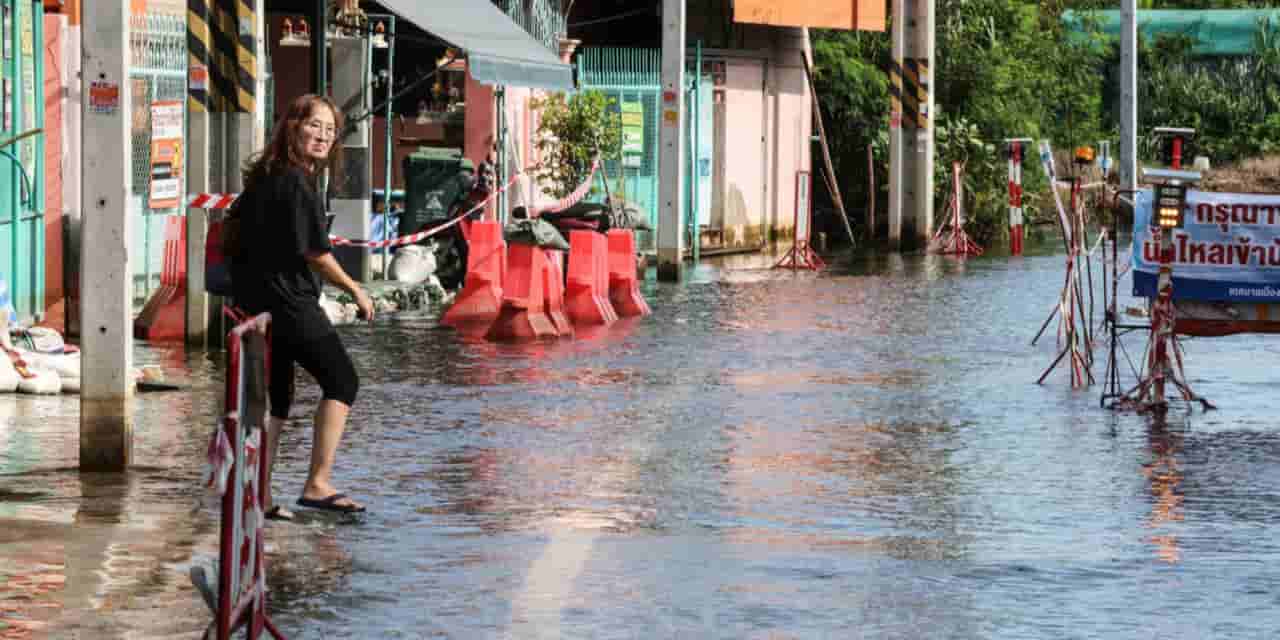
Torrential rains in Thailand have forced major automakers Toyota and Honda to temporarily suspend vehicle production at all their assembly plants in the country. The disruptions stem from severe flooding that has impacted key logistics routes and industrial areas, preventing suppliers from delivering necessary automotive parts.
Honda Automobile (Thailand) Co., Ltd. suspended production at its Prachin Buri and Ayutthaya plants from October 2 to 6. Koji Iwanami, President and CEO of Honda Automobile (Thailand), stated that parts suppliers were unable to deliver components due to flooding, particularly in Chonburi and Rayong provinces. Honda also allowed affected employees to take leave and plans to use overtime shifts to recover lost output.
Toyota Motor Thailand similarly halted operations at its three main vehicle assembly plants—Samrong in Samut Prakan, and Ban Pho and Gateway in Chachoengsao—as well as a plant operated by affiliated company Toyota Auto Works. This followed accumulated rainfall of over 320 millimeters in three days, which flooded major transport routes and made some roads impassable. Toyota's just-in-time production system was affected by parts shortages, and some employees faced travel difficulties.
The Federation of Thai Industries (FTI) reported that flooding between September 24 and 30 affected Bangkok and 14 other provinces, impacting around 40% of its member businesses in those areas. Pimjai Leeissaranukul, Chairman of the FTI, estimated losses to the automotive supply chain and related industries at no less than THB1.018 billion. These losses include direct damage to equipment and materials, as well as indirect consequences from production stoppages and lost business opportunities.