Key facts
- Mexico's auto exports fell 12% in September from a year earlier.
- Monthly auto output slumped 15% in September.
- Domestic auto sales increased 8% in September.
- US tariffs on Mexican cars are estimated to be between 10% and 12% due to rules of origin.
- General Motors is shifting some production to the US from Mexico.
- Mexico supplies 16% of light vehicles in the US market.
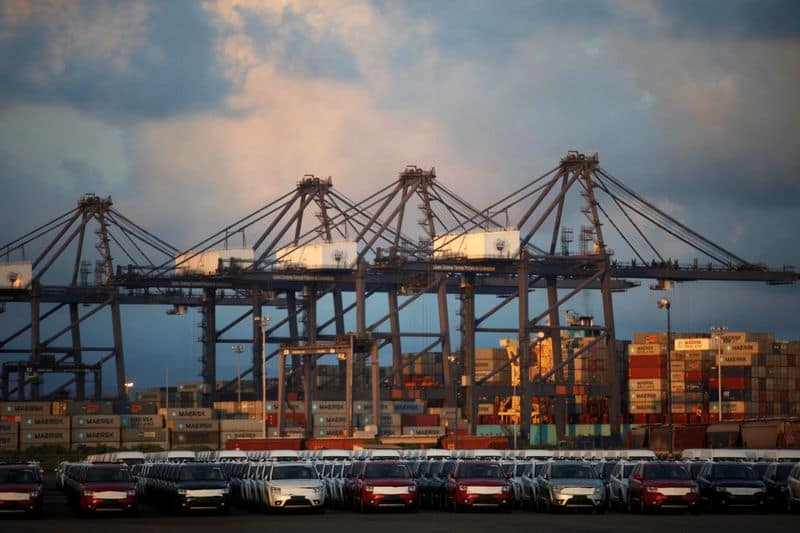
Mexico's auto exports experienced their largest slump of the year in September, with a 12% year-on-year decline, according to data from the statistics office INEGI. Monthly output also fell by 15%. Analysts attribute this downturn to US tariff policies, which have created uncertainty for automakers and impacted production and export decisions.
Despite ongoing trade talks related to the US-Mexico-Canada free trade pact, Mexican cars continue to face a 25% US tariff. Mexican officials estimate that complying with rules requiring North American-sourced parts reduces this burden to between 10% and 12%.
General Motors announced a $4 billion investment to shift some production to the US, citing turbulent tariff policies. Ford and Nissan also saw significant export declines in September. Mercedes-Benz reported no car production or exports for the month, a first in eight years.
However, other manufacturers like Kia, BMW, and Mazda saw increased exports, with Mazda more than doubling its monthly shipments. Mexico's main auto chamber, AMIA, noted that Mexico remains the top foreign provider of cars to the US, supplying 16% of light vehicles. While exports to the US declined 5% in the first nine months of the year, exports to Canada increased by over 9%.
Analysts warn that a sustained slowdown could affect automakers' investment decisions and Mexico's overall economic growth, with the trade relationship between Mexico and the US being the key determinant for the industry's future.