Longer, hotter summers are disrupting the traditional fashion calendar, forcing brands to adapt designs and potentially impacting sales of higher-margin winter clothing. Retailers face risks of excess stock and markdowns as demand for cold-weather apparel is delayed.

The fashion industry's reliance on seasonal weather patterns is being challenged by climate change, potentially leading to reduced sales of high-margin winter clothing and increased inventory risks for retailers.
Longer and hotter summers are creating a significant challenge for the fashion industry's traditional seasonal calendar, impacting everything from design choices to retail sales. The established cycle, which relies on consumers purchasing autumn and winter clothing as temperatures drop, is being disrupted by unseasonably warm weather.
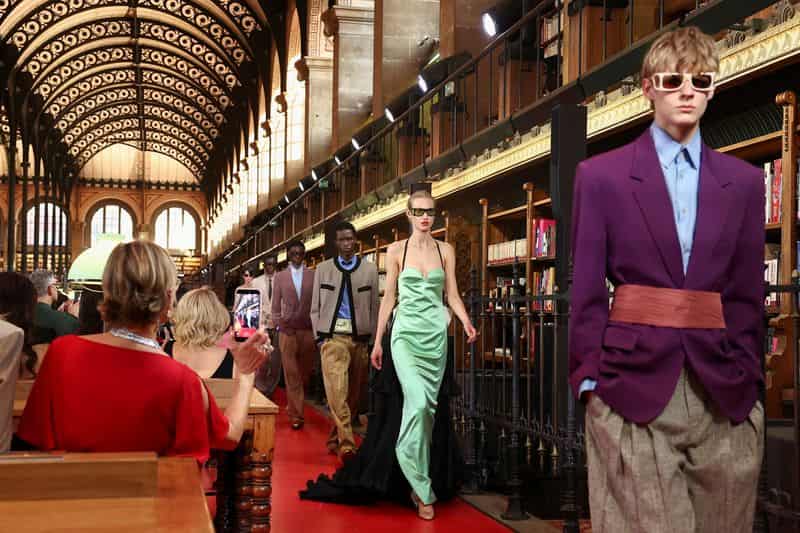
During Paris Fashion Week, temperatures reached 28 degrees Celsius (82.4 degrees Fahrenheit), with many attendees opting for lighter attire despite the release of new autumn collections. This disconnect highlights the growing issue of delayed demand for cold-weather apparel, leaving retailers vulnerable to excess inventory and the need for markdowns.
Designers are beginning to adapt. Nicolas Ghesquiere, Louis Vuitton's womenswear designer, stated that Europe's record heatwaves influenced his latest collection, which emphasized thin fabrics and airy designs. Retail consultants suggest a shift towards more transitional layers and fewer heavy coats.
The financial implications are also considerable, as outerwear typically carries higher profit margins. A delayed winter season could lead to shoppers waiting for Black Friday discounts in late November to purchase new coats, further pressuring profits. Fashion influencers attending shows noted that the weather, rather than the fashion calendar, dictated their outfit choices, blurring the lines between seasons.
Pick the topics you care about. Get only what matters, on your cadence.