Southeast Asia energy security at risk amid rising demand, report says
IN SHORT
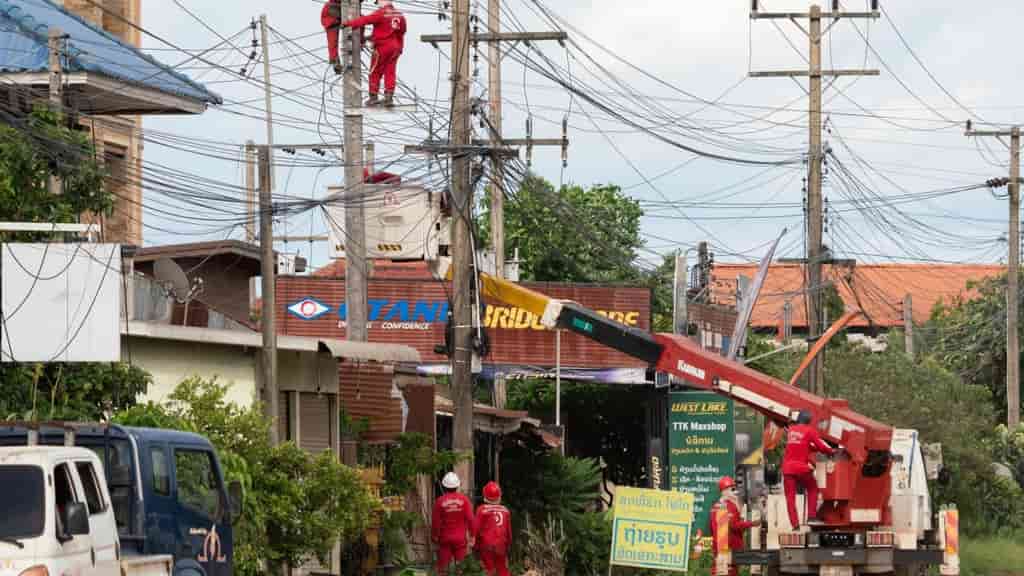
Southeast Asia faces escalating risks to its energy security as demand for electricity surges, outpacing the development of solutions, according to an International Energy Agency report. Rising energy costs, geopolitical tensions in the Middle East, and the need to power data centers and cool buildings are exacerbating the situation.
Key Numbers
25%Southeast Asia's projected share of global energy demand growth by 2035
7%Electricity demand growth in Southeast Asia in 2024
121 GWInstalled capacity of coal-fired power plants in Southeast Asia in 2025
$47 billionClean energy investments in Southeast Asia in 2025
2050Year by which Southeast Asia's electricity demand is set to double again
Who's Involved
International Energy Agency
released a report on Southeast Asia's energy risks
ASEAN economic ministers
highlighted concerns about energy market futures in March 2026
↳ Why This Matters
Southeast Asia's energy security is crucial for its economic growth and stability, as the region accounts for a significant portion of global energy demand growth. Disruptions could impact millions of livelihoods and impede economic progress, while also affecting global energy markets and clean-tech supply chains.