Key facts
- US homes using natural gas or propane for heating will spend less this winter, while heating oil users face higher costs.
- EIA forecasts a 30% increase in heating oil prices, offset by milder Northeast weather.
- US East Coast distillate stockpiles are 32% below their five-year average and expected to remain so through winter.
- US EIA raised oil price forecasts, expecting Brent crude to average $98/barrel in 2026 and $105/barrel in Q4.
- US retail diesel prices are expected to stay above $6/gallon in October before falling to $4.50/gallon in 2027.
- Middle East oil production and exports are expected to recover as transit through the Strait of Hormuz improves.
The US Energy Information Administration (EIA) has again increased its oil price forecasts, attributing the upward revision to the ongoing conflict involving Iran, which is rapidly depleting global stockpiles and tightening diesel markets. The agency now expects global benchmark Brent crude to average approximately $98 a barrel in 2026, an 8% increase from its prior outlook.
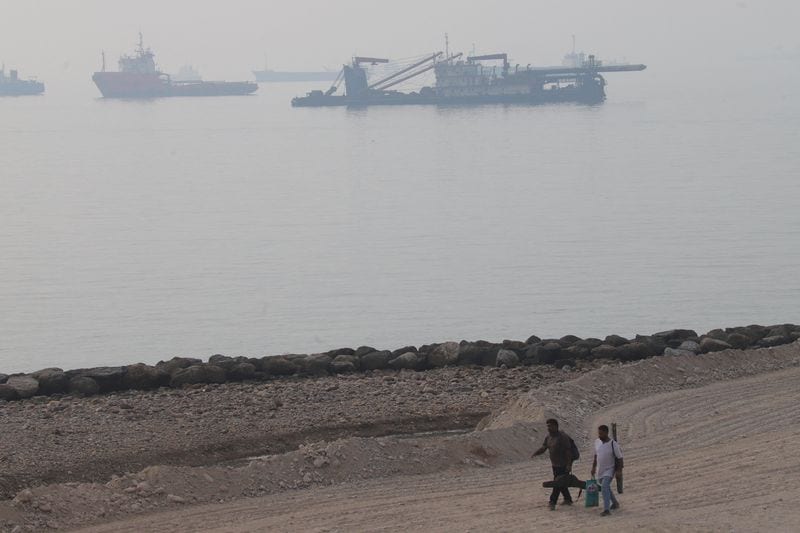
Oil and fuel prices have seen significant increases due to the US-Israeli conflict with Iran, which has disrupted oil flows through the Strait of Hormuz, a critical chokepoint that previously handled about 20% of global oil supplies. Iran has also targeted regional energy infrastructure in retaliation for US military strikes.
Falling global inventories and tightening diesel supplies are projected to keep crude prices elevated. Brent is forecast to average around $105 a barrel in the fourth quarter, $14 higher than previously estimated. US retail diesel prices, which reached record highs last month, are expected to remain above $6 a gallon in October before gradually decreasing to an average of roughly $4.50 a gallon in 2027.
However, the EIA anticipates a gradual recovery in Middle East oil production and exports as transit through the Strait of Hormuz improves and producers adapt to attacks by using alternative export routes and ship-to-ship transfers. These measures, including "dark transits" where tankers disable tracking systems, have helped restore Gulf oil flows (excluding Iran) to over 81% of pre-war levels in September. As these workarounds expand, crude production shut-ins are expected to fall from 4.5 million barrels per day in the fourth quarter of 2026 to 2.7 million barrels per day in the first quarter of 2027.
Separately, US homes that primarily heat with natural gas or propane will spend less on energy this winter, while those using heating oil, mostly in the US Northeast, are expected to pay about 21% more. The EIA forecasts a 30% increase in heating oil prices, which would be offset by milder Northeast weather. National winter temperatures are expected to be similar to last winter and the 10-winter average.