Key facts
- Southeast Asia's energy markets are vulnerable due to heavy dependence on fossil fuel imports and high demand growth.
- The closure of the Strait of Hormuz in response to military action in Iran severely impacted Asian markets.
- The Philippines declared a national energy emergency, and other regional governments implemented rationing measures.
- The crisis has spurred a push for renewable energy to bolster regional energy security and independence.
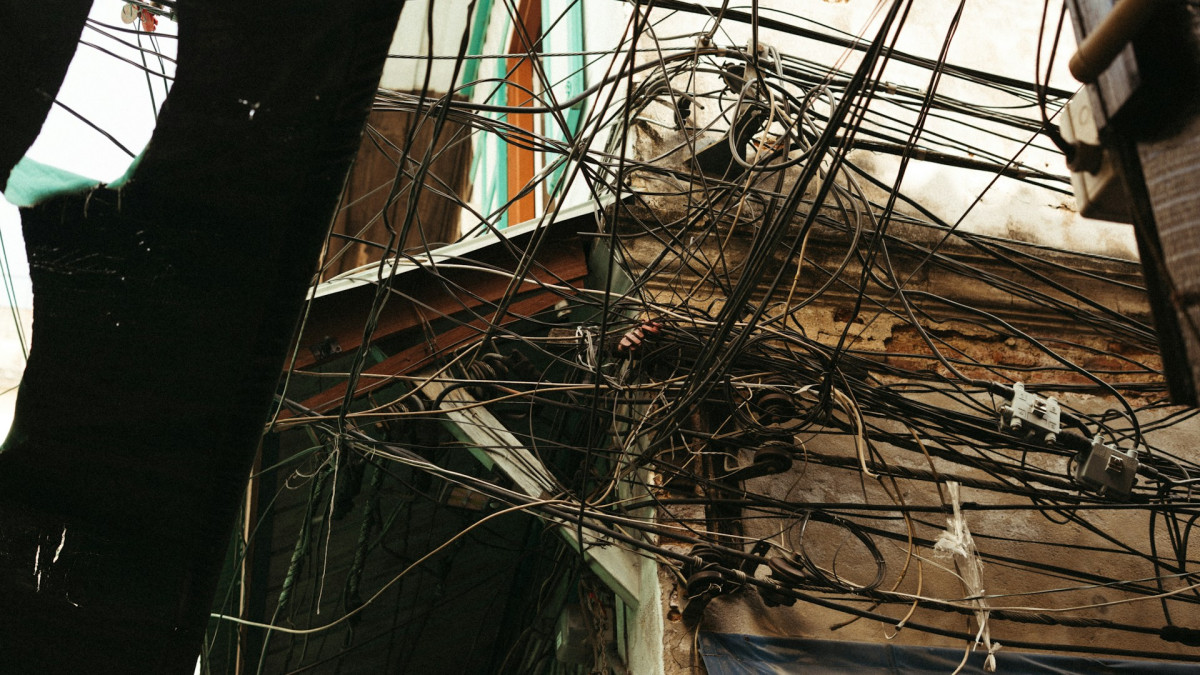
- Inadequate grid capacity and maintenance are hindering the rollout of new clean energy projects in the region.
- Between 50-60% of renewable energy projects in Vietnam, Thailand, and Indonesia between 2021-2025 were stalled or cancelled due to infrastructure and policy issues.
Southeast Asia's energy markets are facing significant challenges due to a heavy reliance on imported fossil fuels and rapidly increasing electricity demand, a vulnerability exposed by the recent conflict in Iran and the subsequent closure of the Strait of Hormuz. While the reopening of the strait is beginning to restore crude oil flows, global oil markets face a long recovery. The crisis has, however, accelerated a necessary transition towards renewable energy sources to enhance regional energy security and independence.
The International Energy Agency (IEA) noted in a recent report that rising fuel imports and fast-growing electricity demand are increasing the region's exposure to market disruptions and volatility. Executive Director Fatih Birol stated that the region's dynamic economic growth faces challenges in an increasingly uncertain global energy landscape, emphasizing the need for energy security to be integrated into decisions regarding oil stocks, gas infrastructure, electricity grids, and energy efficiency.
Despite the push for electrification and clean energy production, particularly solar power, the expansion and refurbishment of electricity grids, energy storage capacities, and transmission infrastructure are lagging. This infrastructural deficit risks creating a major bottleneck for the region's electrification trajectory. A report by Climate Home News highlighted that inadequate grid capacity and maintenance are already impeding the rollout of new clean energy projects, alongside issues with power purchase agreement structures, policy failures, permitting delays, and limits on private sector involvement.
Consultancy Bain & Company and Standard Chartered reported that between 2021 and 2025, a substantial 50 to 60 percent of renewable energy projects in Vietnam, Thailand, and Indonesia were cancelled or stalled due to insufficient infrastructural and policy support. This situation is expected to intensify as rapid economic development continues, with over 100 TWh of new electricity demand anticipated by 2030 from sources like data centers, electric vehicles, and industrial clusters. The IEA recommends stronger national preparedness and deeper regional cooperation among Association of Southeast Asian Nations (ASEAN) members to build resilience against supply disruptions and volatile prices.