Key facts
- Global oil inventories have dropped by 95 million barrels in August.
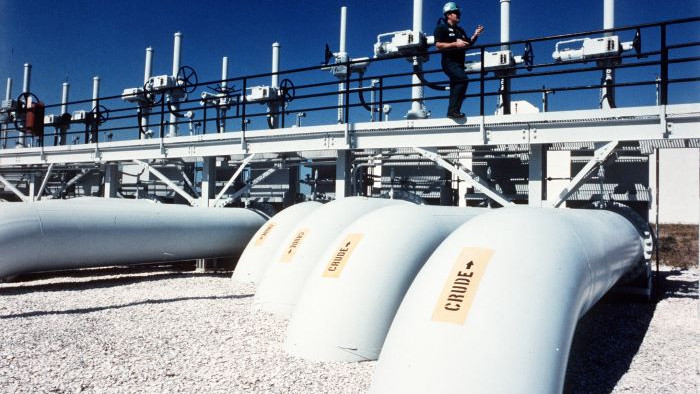
- The U.S. Strategic Petroleum Reserve is at its lowest level since 1983, holding 331.2 million barrels.
- Experts consider 250-300 million barrels the operational minimum for the U.S. SPR.
- Global oil inventories have drawn down 507 million barrels since February.
- Aramco's CEO stated that refilling global oil inventories could take up to two years.
- The world has drawn over 1 billion barrels of crude from inventories since the start of the war between the United States and Israel, and Iran.
The world's oil supply cushion is becoming dangerously thin as emergency releases from strategic reserves deplete global inventories, raising concerns about the ability to respond to future supply disruptions. Experts warn that drawing down reserves too close to operational minimums could compromise the entire storage system.
The International Energy Agency (IEA), in consultation with the G7, announced a plan to release an additional 100 million barrels of diesel, gasoline, and crude oil. This release is part of a larger initiative to release 400 million barrels announced in March, intended to address supply concerns related to the Strait of Hormuz.
However, the U.S. Strategic Petroleum Reserve (SPR) is already at its lowest level since 1983, standing at 331.2 million barrels as of early October, following a recent release of over 9 million barrels. This level is close to the operational minimum of 250 to 300 million barrels, which experts caution could negatively impact storage infrastructure.
Globally, oil inventories have also been declining. According to the IEA's September report, global inventories fell by 95 million barrels in August, contributing to a total draw of 507 million barrels since February. While OECD commercial inventories saw a slight increase, strategic reserves continued to decline.
Aramco's chief executive, Amin Nasser, echoed these concerns, stating that the world's oil inventories are "scarily thin" and that refilling them could take up to two years, contingent on the reopening of the Strait of Hormuz. He warned that continued inventory drawdowns could expose the world to more severe supply shocks, especially if conflicts persist.
IEA head Fatih Birol reassured that member governments still hold significant emergency oil stocks, equivalent to around 1.1 billion barrels, and are prepared to release more if needed. However, this statement may also heighten concerns given the proximity of global inventories to their functional minimum.
Asian countries, particularly in Southeast Asia, are particularly vulnerable to supply disruptions due to their reliance on Middle Eastern oil imports. These nations are actively working to build their own oil stockpiles, both individually and through regional cooperation, to enhance their resilience against future crises. However, securing this oil at affordable prices remains a challenge.