Key facts
- Japan-led AZEC members agreed to boost oil stockpiles.
- The group will discuss a framework for coordinated release of reserves in emergencies.
- Saudi Arabia and the UAE will cooperate with the AZEC on stockpiling.
- The initiative aims to avoid disruptions to oil-derived product imports.
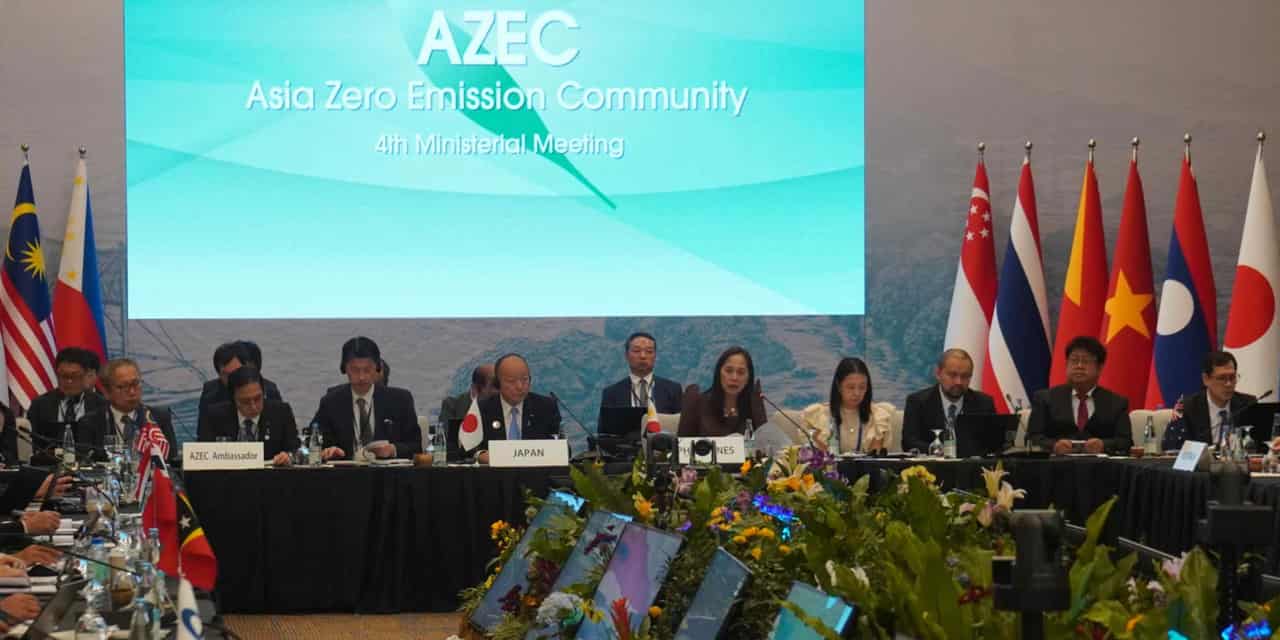
The Japan-led Asia Zero Emission Community (AZEC) has agreed to bolster oil stockpiles across its member nations as a measure against instability in the Middle East. The decision, made at a ministerial meeting in Manila on Thursday, highlights a regional shift towards prioritizing energy security over green initiatives.
Eleven Asia-Pacific countries, including Japan, Australia, and nine Southeast Asian nations, participated in the discussions. Sources indicate the agreement includes boosting individual oil reserves and establishing a framework for their coordinated release during emergencies. The countries are also likely to cooperate on joint oil stockpiling within the Asia region.
Japan, represented by State Minister of Economy, Trade and Industry Takagi Kei, aims to prevent disruptions to its imports of oil-derived products through this initiative. Saudi Arabia and the United Arab Emirates are set to join a separate meeting and are expected to agree to cooperate with the AZEC on their stockpiling efforts.
This pivot towards oil stockpiling comes amid growing concerns over the reliability of crude oil supplies from the Middle East, particularly due to tensions at the Strait of Hormuz. The AZEC framework, which initially focused on promoting zero-emission energy, is now grappling with the immediate need for energy resilience.