Key facts
- Mitsubishi Materials is sourcing recycled tungsten from Vietnam for carbide tools.
- The company is turning to Vietnam to sidestep Chinese export restrictions.
- The high cost of recycled metal is forcing Mitsubishi Materials to raise prices for its carbide tools.
- Japan New Metals plans to nearly double scrap-fed ammonium paratungstate capacity at Akita to 2,400 tonnes a year.
- Mitsubishi Materials aims to replace 1,200 tonnes of imported intermediate annually with the Akita facility's output, planned for April 2029.
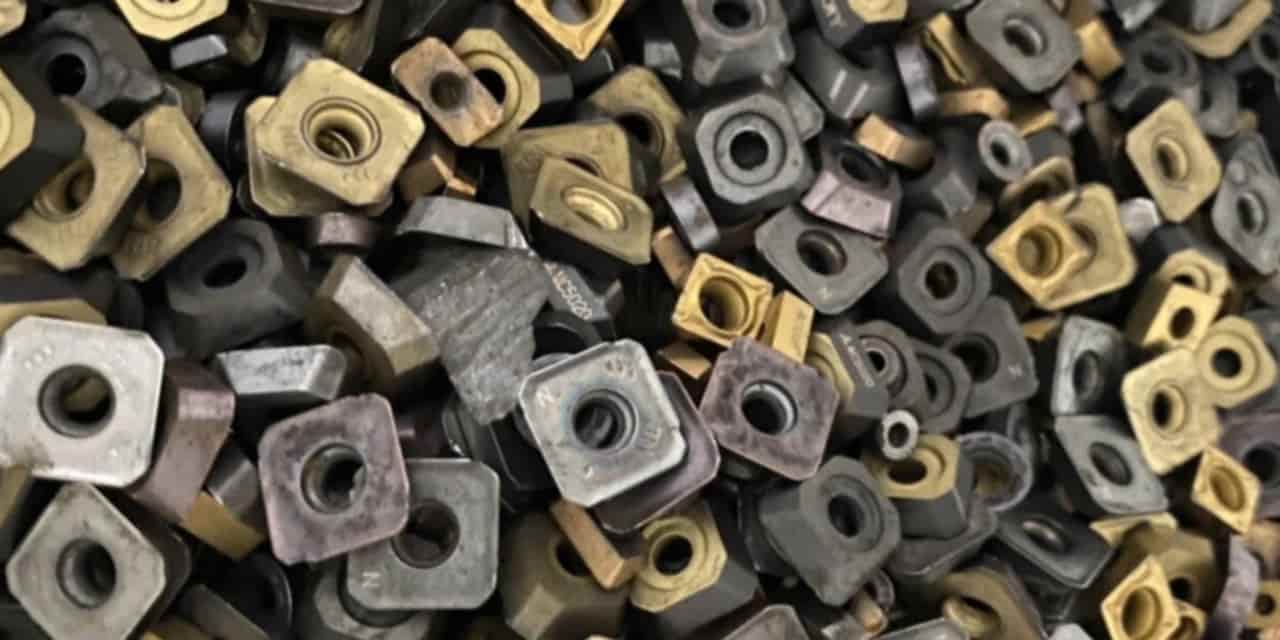
Mitsubishi Materials has initiated full-scale imports of tungsten from Vietnam, including recycled material from carbide scrap, as it seeks to diversify its supply chain away from China. The company is facing higher costs for this alternative source, which will lead to increased prices for its carbide tools.
At its Akita facility, subsidiary Japan New Metals plans to expand its capacity for producing ammonium paratungstate from scrap by nearly double, reaching 2,400 tonnes per year (measured as tungsten trioxide equivalent). This expansion, slated for operation in April 2029, is intended to replace approximately 1,200 tonnes of imported intermediate material annually.
This move aligns with a broader trend of companies seeking alternatives to Chinese supply chains for critical minerals. The report also mentions agreements involving H.C. Starck and Masan High-Tech Materials for intermediate supply, and Almonty's South Korean mine development with Global Tungsten & Powders, highlighting efforts to secure and control material inputs.