Key facts
- Senator Steve Daines urged continued US-China engagement on rare earth supply chains.
- Daines stated that issues predated Chinese President Xi Jinping's visit and would be worked on post-summit.
- U.S. Ambassador to China David Perdue warned China is weaponizing its dominance over critical minerals.
- Perdue said the U.S. is seeking to rebuild its ability to operate without relying on Beijing for critical materials.
- US rare earth output meets only 42% of demand, with reliance on imports expected to continue into the 2030s.
- China agreed to delay export restrictions on rare earths until November 10.
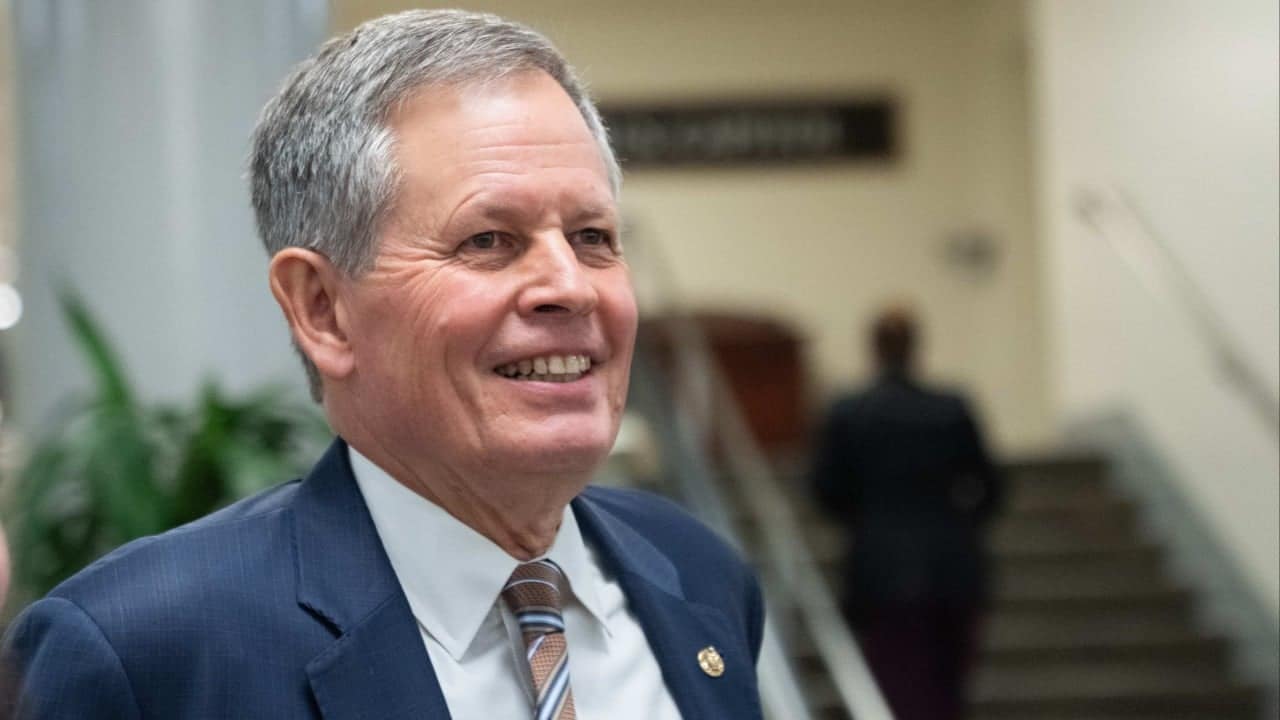
Senator Steve Daines, a close aide to President Donald Trump, has called for continued engagement between the U.S. and China on rare earth supply chains, emphasizing that both nations must work through their differences. This call comes amid warnings from other Trump administration officials that China is leveraging its dominance in critical minerals.
U.S. Ambassador to China David Perdue stated that Beijing has "weaponized" its control over critical minerals, expanding rules that could expose individuals to arrest and asset seizures if supply chains are diversified away from China. Perdue asserted that America's dependence on Beijing for these materials is unacceptable and that the Trump administration is committed to rebuilding U.S. capacity.
U.S. Trade Representative Jamieson Greer also expressed concerns about China's rare-earth deliveries, seeking greater volumes and more timely supply. The administration views the next two months as a "compliance period" to assess Beijing's adherence to its commitments. Separately, the U.S.-China Board of Trade recommended more favorable tariff treatment for certain non-sensitive goods.
Despite efforts to bolster domestic production, the U.S. will likely remain reliant on China for rare earths well into the 2030s. While U.S. output of the two most common rare earths has more than tripled since Trump returned to office, the country still meets only 42% of its demand. China, the dominant global miner and refiner, agreed to delay export restrictions until November 10, a potential extension of which is on the agenda for discussions between Trump and Xi Jinping. The White House's goal to block Chinese rare earths imports by January 2027 is considered unattainable.
Progress is being made in developing a U.S. rare earths industry, with investments in companies like MP Materials, USA Rare Earth, and Energy Fuels. MP Materials has begun delivering magnets made from its own refined rare earths to General Motors, and USA Rare Earth has acquired a Brazilian mine and a French processing plant. However, the U.S. processes very few heavy rare earths crucial for military applications, though output is projected to increase by 2031.