Key facts
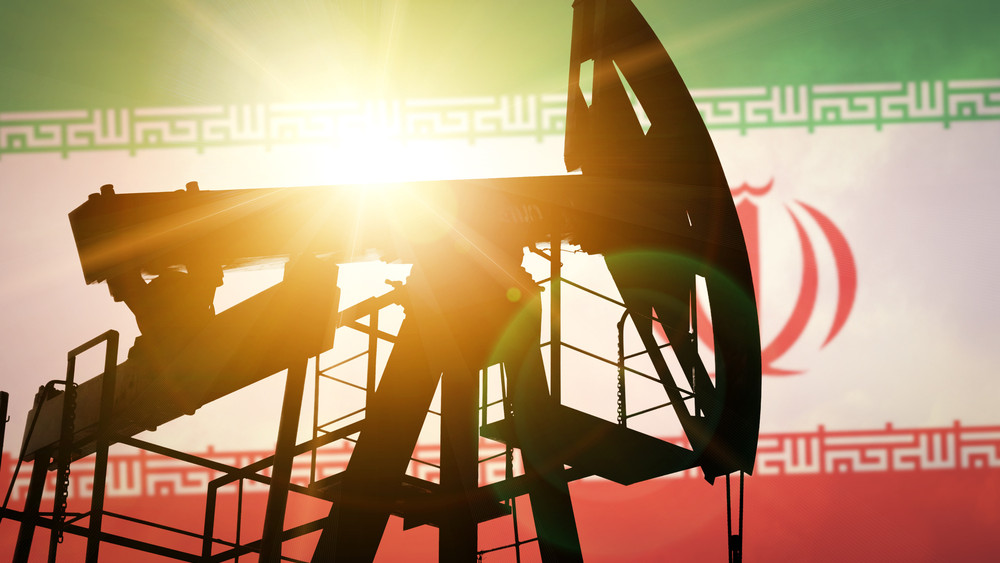
- Tajikistan is now receiving oil and petroleum products from Iran.
- Deliveries began in late August, according to Tajikistan's Energy and Water Resources Ministry.
- The U.S. Treasury warned that Iran's petroleum sector faces increased sanctions risk.
- Tajikistan has asked Iran to supply up to 2.55 million tons of crude oil and petroleum products annually.
- Russia accounted for over 91% of Tajikistan's petroleum-product imports in the first half of 2026.
- Bilateral trade between Tajikistan and Iran reached $438 million in 2025.
Tajikistan has begun receiving oil and petroleum products from Iran, a move that could diversify its energy sources but also exposes it to potential U.S. sanctions. The deliveries commenced in late August, according to Tajikistan's Energy and Water Resources Ministry, following discussions on expanding oil and gas cooperation.
The ministry has not disclosed the volume of these shipments, their commercial terms, or the transportation methods. This development raises concerns about potential U.S. secondary sanctions, as Washington has intensified its pressure on Iran's oil revenues. A U.S. Treasury spokeswoman stated that entities operating in Iran's petroleum sector face increased sanctions risk.
Tajikistan has formally requested up to 2.55 million tons of crude oil and petroleum products annually from Iran, including gasoline, diesel, and jet fuel. However, this figure represents a potential volume rather than current delivery amounts. The feasibility of moving large quantities of Iranian oil to landlocked Tajikistan, both logistically and economically, remains uncertain.
This potential shift in supply comes amid ongoing uncertainty regarding fuel imports from Russia, which historically supplied over 91% of Tajikistan's petroleum products. Russian fuel shortages, partly due to Ukrainian drone strikes on refineries, have pushed Tajikistan and other Central Asian nations to seek alternatives. In July, Tajik authorities confirmed they were in talks with neighboring countries for future supplies.
Political analyst Parviz Mullojonov indicated that the pursuit of Iranian supplies is driven by Tajikistan's need for alternative energy sources. The deliveries also coincide with a broader improvement in relations between Dushanbe and Tehran, characterized by close linguistic and historic ties, increased bilateral trade reaching $438 million in 2025, and significant cooperation in energy, transport, and defense, including a drone-manufacturing facility inaugurated in 2022.
Despite past tensions, relations began to thaw in the early 2020s, with Tajik President Emomali Rahmon visiting Tehran in 2022 to strengthen ties. However, closer energy cooperation with Iran could complicate Dushanbe's relationship with the U.S., given Washington's sanctions regime. Foreign companies and financial institutions engaging in significant transactions with Iran's petroleum sector risk U.S. sanctions. A State Department spokesperson urged the international community to hold accountable those involved in Iran's illicit oil trade.
Analysts suggest that the scale of Tajikistan-Iran cooperation might influence Washington's perception of the relationship, with current levels being significantly lower than those with Russia or China. Tajikistan is reportedly attempting to balance its relationships with global powers while pursuing its economic interests, a diplomatic challenge given their often conflicting agendas.