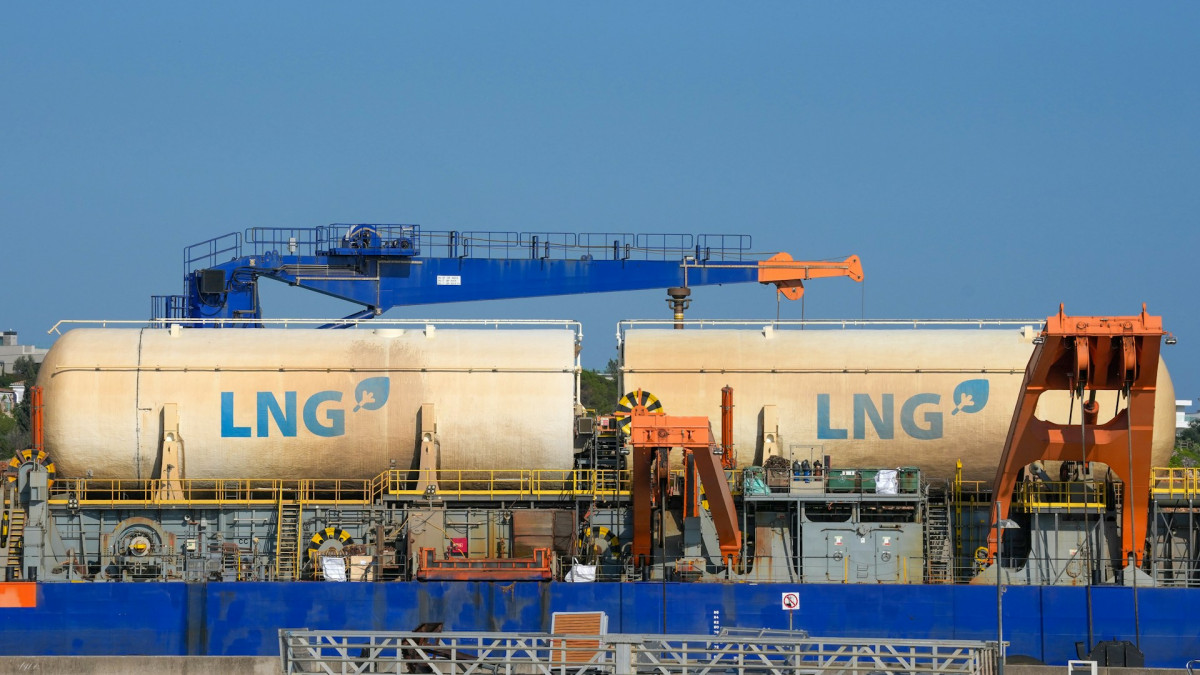
Pakistan's government is contemplating a significant shift in its energy procurement strategy, considering a proposal that would permit power plants and private companies to directly import liquefied natural gas (LNG) from the spot market. This potential policy change comes as the nation grapples with a severe energy crisis, intensified by disruptions to its usual term supplies.
The proposal, put forth by the Energy Ministry, aims to ease existing regulations that largely confine spot market LNG imports to the state-owned Pakistan LNG Ltd. The move is seen as a measure to curb the government's escalating energy import bill and financial strain, which have been exacerbated by soaring spot LNG prices. By opening the market to more players, Pakistan hopes to ensure broader participation in auctions for LNG cargoes and better utilization of its two LNG import terminals.
Before the recent supply chain issues, Pakistan relied heavily on term contracts, particularly from Qatar. However, the ongoing geopolitical tensions and subsequent damage to Qatar's Ras Laffan LNG export hub, reportedly due to Iranian strikes, have forced Pakistan into expensive spot market purchases. This has significantly driven up power generation costs. The situation has been further complicated by the prolonged closure of the Strait of Hormuz, a critical chokepoint for global energy transit, and Qatar's recent decision to extend its force majeure declaration on LNG deliveries to Asia and Europe through the end of November.