Southeast Asia faces a potential food crisis if it does not address export restrictions amid a global fertiliser shortfall, according to John Denton, Secretary General of the International Chamber of Commerce (ICC). Speaking at the Future of Trade Forum in Singapore, Denton urged the city-state, as the incoming ASEAN chair, to make the "sleeper issue" of fertiliser scarcity a priority.
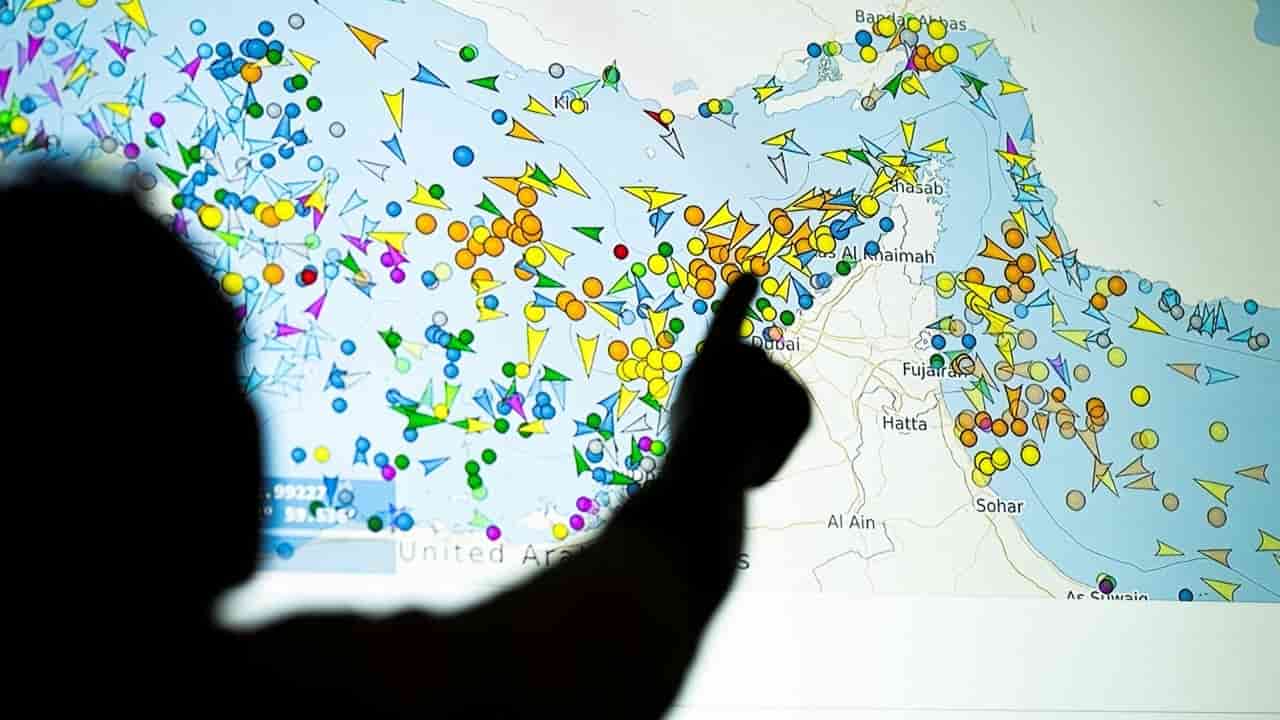
The Strait of Hormuz, a critical chokepoint for global trade including oil, liquefied natural gas, sulfur, and fertilisers, has experienced disruptions. These disruptions are already tightening fertiliser markets and increasing energy costs, according to QU Dongyu, Director-General of the Food and Agriculture Organization of the United Nations (FAO).
Qu warned that the global fertiliser scarcity will lead to lower crop yields and tightened food supplies in the latter half of 2026 and into 2027. He stressed that agriculture operates on a strict crop calendar, and delayed fertiliser application can significantly reduce yields. Import-dependent countries in Africa, Asia, and parts of the Middle East are particularly exposed, especially those already facing food insecurity or economic fragility.
The FAO Director-General outlined three priority areas for coordinated action: facilitating alternative trade routes, avoiding export restrictions, supporting farmers' access to agricultural inputs, protecting humanitarian supply chains in the immediate term; strengthening regional coordination, diversifying fertilizer and energy sources, and providing targeted support for vulnerable economies in the medium term; and structural transformation to reduce dependence on concentrated supply routes and fossil fuel-based inputs in the long term.
The MED9++ Ministerial Meeting on "Supporting Food Security and Access to Fertilizers" brought together ministers and representatives from over 40 countries and organizations to discuss these challenges and strengthen cooperation.
What Happens Next
01Singapore, as the next ASEAN chair, is urged to prioritize addressing the fertiliser scarcity issue.
02The FAO continues to provide technical analysis, policy support, and convening capacity to help countries address agrifood system challenges.