Key facts
- President Luiz Inácio Lula da Silva claims he is the sole obstacle to the return of "fascists" to power in Brazil.
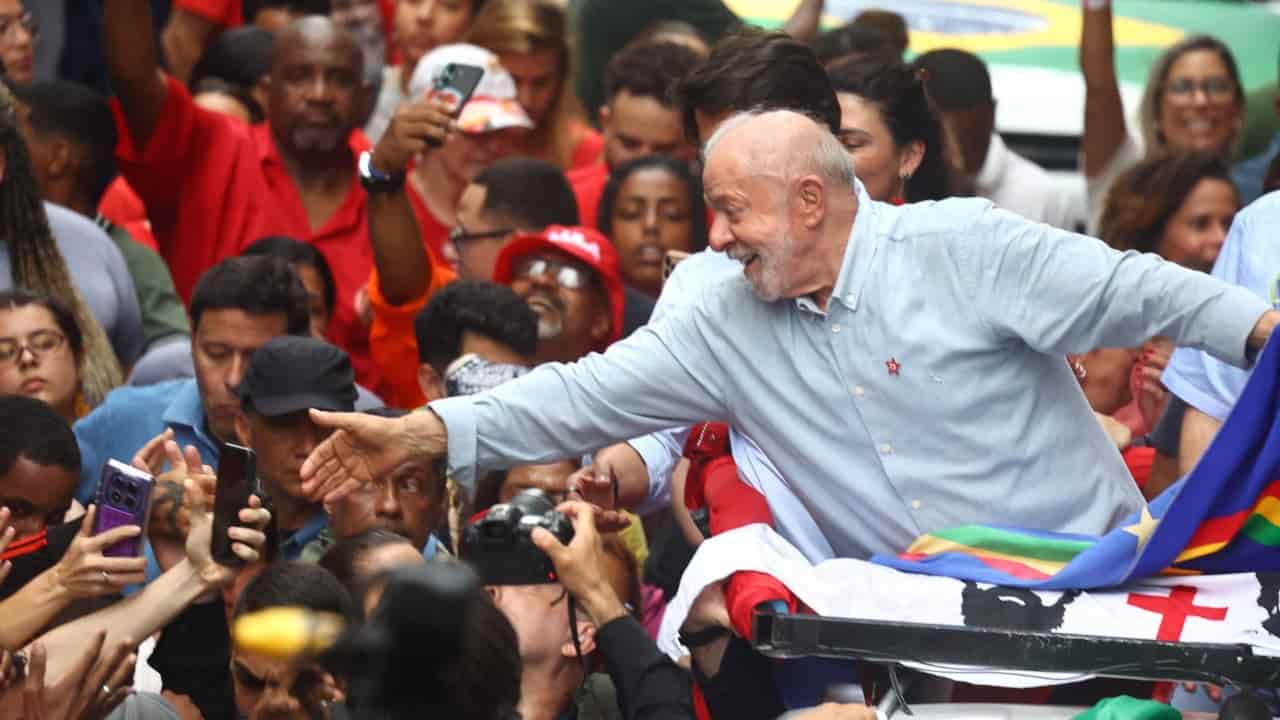
- Lula led a large pro-democracy rally in Rio de Janeiro ahead of the general election.
- The election is framed as a critical choice for the future of Brazil's democracy.
- Polls indicate Lula has a narrow lead, with a second-round runoff anticipated.
- Flávio Bolsonaro has pledged to pardon his father, Jair Bolsonaro, if elected.
Brazilian President Luiz Inácio Lula da Silva has declared himself the only bulwark against the return of "fascists" to power, framing the upcoming election as a critical juncture for the nation's democracy. Speaking ahead of a large rally in Rio de Janeiro, Lula stated that without his opposition, the "family of his rightwing rival, Flávio Bolsonaro" would easily win another election.
Lula, seeking a historic fourth term, led a "victory march" through symbolic locations in Rio, emphasizing the importance of consolidating democracy. He asserted that the election was not just about his victory but about the triumph of an idea and democracy itself, warning that "either we consolidate democracy, or we will lose it."
The election has stirred fears over the future of Latin America's largest democracy. Polls suggest Lula holds a narrow lead over Flávio Bolsonaro, with a second-round runoff on October 25 anticipated. Datafolha pollster projects Lula securing about 45% of votes on Sunday and Bolsonaro 40%, though Lula expressed confidence in a first-round win.
Concerns are high that if the Bolsonaro family regains power, they could move to free former president Jair Bolsonaro, who is serving a 27-year sentence for plotting a coup, and potentially dismantle democratic institutions. Flávio Bolsonaro has vowed to pardon his father if elected and has announced plans to appoint conservative supreme court judges. Eduardo Bolsonaro, his brother, reportedly aims to become foreign minister.
Supporters at the rally echoed the sentiment that the election is a choice between democracy and "the savagery of far-right fascism." Some expressed fears that a Bolsonaro victory could lead to an authoritarian shift akin to Hungary's transformation under Viktor Orbán, potentially within a much shorter timeframe.