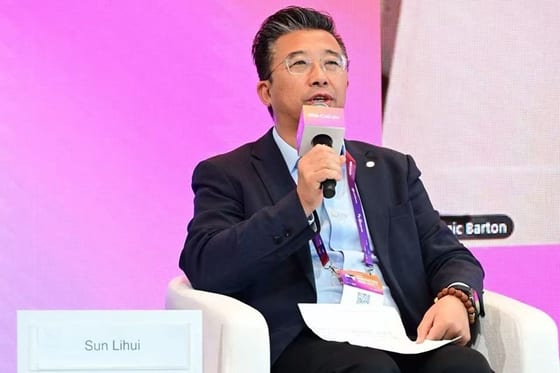
Global demand for critical minerals is experiencing unprecedented growth, driven by the expansion of AI infrastructure and the ongoing energy transition. This surge in demand has made competition for resources like lithium, cobalt, nickel, graphite, and rare earth elements a central strategic challenge of the 21st century, according to industry leaders.
Nations are actively developing comprehensive strategies to enhance domestic production, diversify their sources of supply, and invest in mineral processing capabilities. These efforts include forming strategic partnerships, securing long-term supply agreements, and making overseas investments to reduce reliance on concentrated supply chains.
For businesses, this evolving landscape presents both opportunities and risks. Mining companies are intensifying exploration activities, while manufacturers are focusing on building more resilient and transparent supply chains. Investors are increasingly scrutinizing geopolitical risks, environmental standards, and responsible sourcing practices.
Sustainability is a critical aspect of the critical minerals discussion. While demand is fueled by the clean energy transition, the expansion of extraction activities raises environmental and social concerns. Consequently, there is a growing emphasis on responsible mining, recycling technologies, and circular economy initiatives.
Beyond resource ownership, leadership in mineral refining, battery manufacturing, recycling, and advanced materials processing is becoming crucial for economic influence. Countries that can develop integrated value chains are expected to gain greater economic benefits and industrial resilience. Critical minerals are thus evolving into strategic assets that will shape global trade, investment, and industrial policy for decades to come.