Key facts
- Japan's trade minister Ryosei Akazawa called for increased oil stockpiles and infrastructure in Asia.
Japan's trade minister Ryosei Akazawa called on Asian countries to increase oil stockpiles and infrastructure, emphasizing energy security over emissions reduction. Japan aims to act as a bridge between Middle Eastern producers and Asian importers to stabilize global energy supply, leveraging its extensive experience in oil stockpiling.
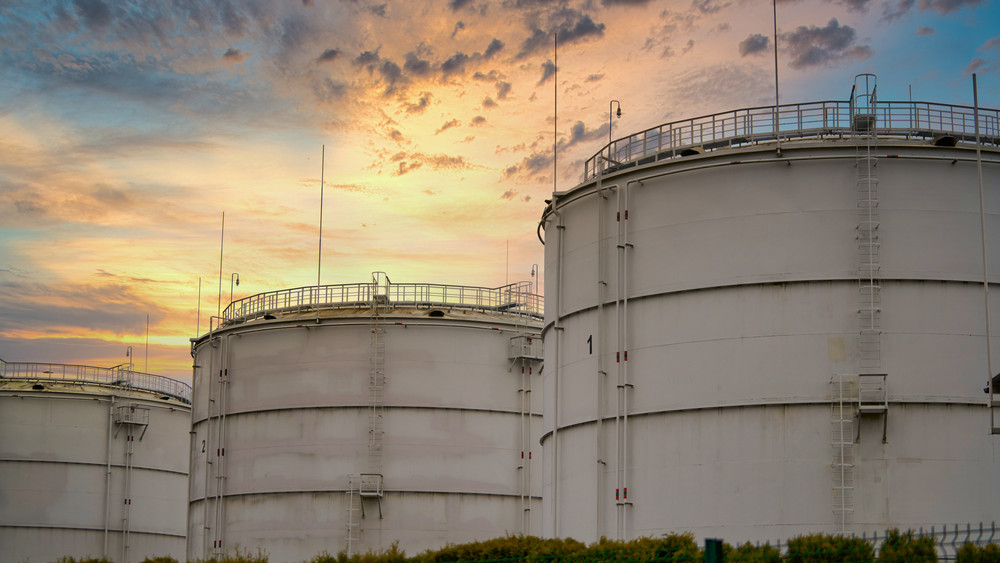
Heightened geopolitical risks in the Middle East and a global emphasis on energy security are prompting major energy consumers like Japan to bolster strategic reserves, potentially influencing global oil demand and prices.
Japan's trade minister, Ryosei Akazawa, has urged Asian countries to increase their oil stockpiles and infrastructure, citing mounting risks in the Middle East and a heightened global focus on energy security. Speaking at the International Energy Forum, Akazawa stated that Japan intends to serve as a "bridge" between Middle Eastern oil producers and Asian importers to ensure a stable global energy supply. This strategic shift prioritizes energy security over decarbonization efforts, a sentiment echoed by the Asia Zero Emission Community, which Japan heads. The organization recently agreed to enhance oil inventories across Asia and coordinate their release when necessary. Akazawa highlighted Japan's extensive experience in stockpiling, noting its role in a recent International Energy Agency-coordinated release of 400 million barrels of crude oil. Japan itself holds the third-largest strategic oil stockpile globally, with an estimated 263 million barrels of crude. This push for reserves comes as Japan, heavily reliant on Middle Eastern oil passing through the Strait of Hormuz (over 90% of its imports), seeks alternative supply sources following the escalation of conflict in the region.
Pick the topics you care about. Get only what matters, on your cadence.