Key facts
- Oil prices rose on Thursday due to supply concerns from the Middle East.
- Brent crude futures increased by 1.33% to $101.53 a barrel.
- US West Texas Intermediate (WTI) crude futures gained 1.26% to $89.39.
- Attacks on tankers in the Strait of Hormuz reached their highest level since the conflict began.
- US crude inventories fell by 3.2 million barrels in the week ended October 2.
- A tanker north of Qatar was struck by projectiles on Wednesday, causing casualties.
Oil prices rose on Thursday, driven by persistent worries about supply from the Middle East amid an increase in attacks on shipping in the Gulf and the Strait of Hormuz. Brent crude futures gained $1.33, or 1.33%, to $101.53 a barrel, while US West Texas Intermediate (WTI) crude futures rose $1.11, or 1.26%, to $89.39.
These gains occurred despite a previous settlement lower on Wednesday, when the International Energy Agency (IEA) agreed to accelerate the release of oil stocks and prioritize diesel supplies. However, threats to oil shipping in the Strait of Hormuz, which previously carried about 20% of global oil and fuel, have escalated in October as the conflict with Iran enters its eighth month.
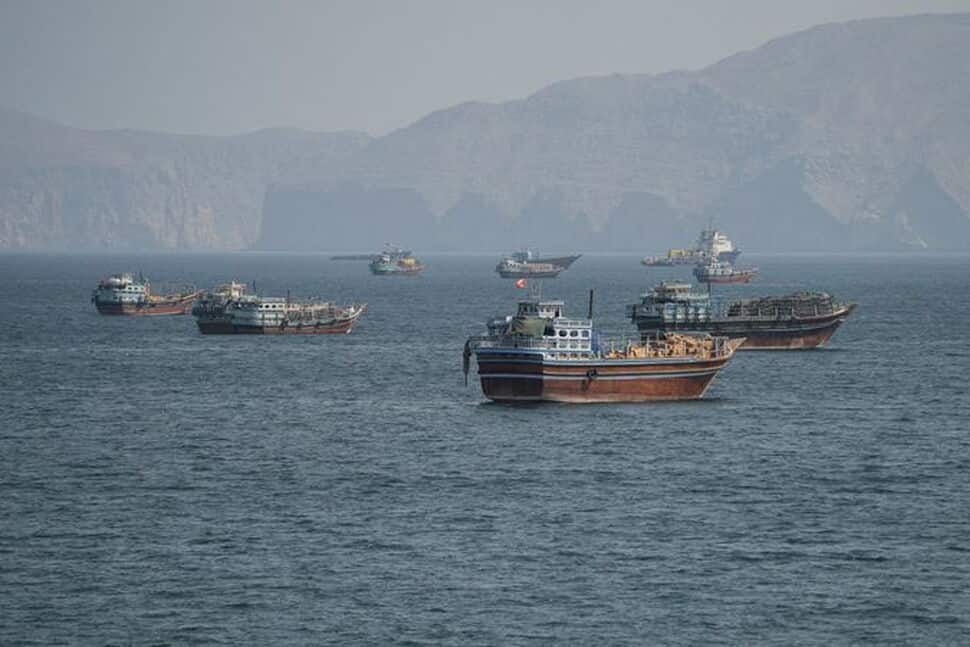
Attacks on tankers in the Strait of Hormuz reached their highest weekly level since the conflict began, occurring as Gulf producers increase exports. The increased risk comes with higher costs for cargoes and crew. In the latest incident, a tanker north of Qatar was struck by multiple projectiles, causing casualties, according to the United Kingdom Maritime Trade Operations agency.
Daniel Hynes, senior commodity strategist at ANZ bank, noted that in the past, such attacks led to reduced shipments from the Persian Gulf. He suggested that producers are now willing to accept the risk of vessel damage due to a lack of alternative export routes. Hynes also commented that the IEA's oil release is likely part of the existing 400-million-barrel plan and does not represent additional strategic inventory draws, stating that stock releases can only temporarily augment supply without creating new production capacity.
Supporting prices were inventory data from the US, which showed a larger-than-expected fall in crude stockpiles and a slight decline in diesel inventories. Crude inventories decreased by 3.2 million barrels to 424.1 million barrels in the week ended October 2, according to the Energy Information Administration, surpassing the Reuters poll expectation of a 1.7 million-barrel decline. Distillate fuel inventories, including diesel and jet fuel, dropped by 42,000 barrels to 105.14 million barrels, falling below typical levels for this time of year over the past five years.
Separately, oil prices also rose due to production cuts in the Gulf of Mexico as Tropical Storm Isaias strengthened into a hurricane. Shell and Chevron announced they were shutting down production in the region. The Danish shipping group Maersk added to concerns about rising energy prices by increasing its emergency fuel surcharge.