Key facts
- Asia-Pacific is the world's busiest aviation market.
- Incheon airport in South Korea became the busiest international hub in H1 2026.
- Asia Pacific carriers are forecast to grow passenger traffic by 7.3% in 2026.
- Global airline industry net profit is projected at a record $41 billion in 2026.
- Jet fuel prices more than doubled between February and March 2026 due to the Iran conflict.
- Asia Pacific accounted for 34.5% of global revenue passenger kilometers in 2025.
The Asia-Pacific region, a dominant force in global aviation, is set to lead passenger traffic growth in 2026, driven by recovering Chinese outbound travel, strong domestic demand in India, and intra-Asia leisure trips. However, airlines in the region face significant headwinds, particularly volatile jet fuel prices, which more than doubled between February and March 2026 due to geopolitical tensions stemming from the Iran conflict.
Despite these challenges, the global airline industry is projected to achieve a record net profit of $41 billion in 2026. Asia Pacific carriers are expected to contribute significantly to this, with a projected 7.3% expansion in revenue passenger kilometers (RPK), far exceeding other regions. In 2025, the region already accounted for 34.5% of global RPKs.
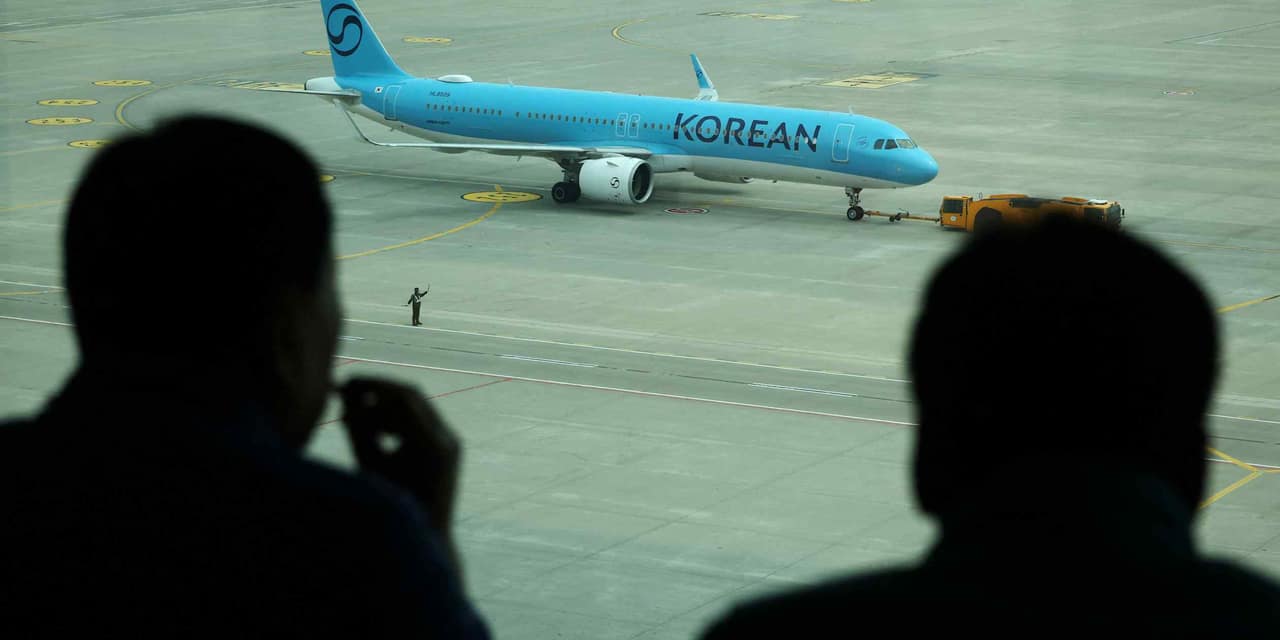
Key developments shaping the competitive landscape in 2026 include Korean Air's full integration of Asiana Airlines, IndiGo's expansion into long-haul markets with new A350 aircraft, Qantas's introduction of its Project Sunrise aircraft, and Air India's ongoing transformation. The region's air cargo demand also remains robust, supported by manufacturing exports and e-commerce growth, though airlines must navigate complex capacity conditions due to geopolitical risks and cost volatility.