Key facts
- Migrant workers from Cambodia and Myanmar are crucial to Thailand's agricultural and construction sectors.
- Daily wages for agricultural labor have increased from 350-400 baht to 800-1,000 baht in some areas.
- Losses in the sugarcane industry alone are estimated to exceed 3 billion baht.
- Thailand plans to recruit workers from Sri Lanka, Nepal, and Bangladesh, with initial arrivals expected in January.
- The government is also considering broader registration campaigns for undocumented migrants.
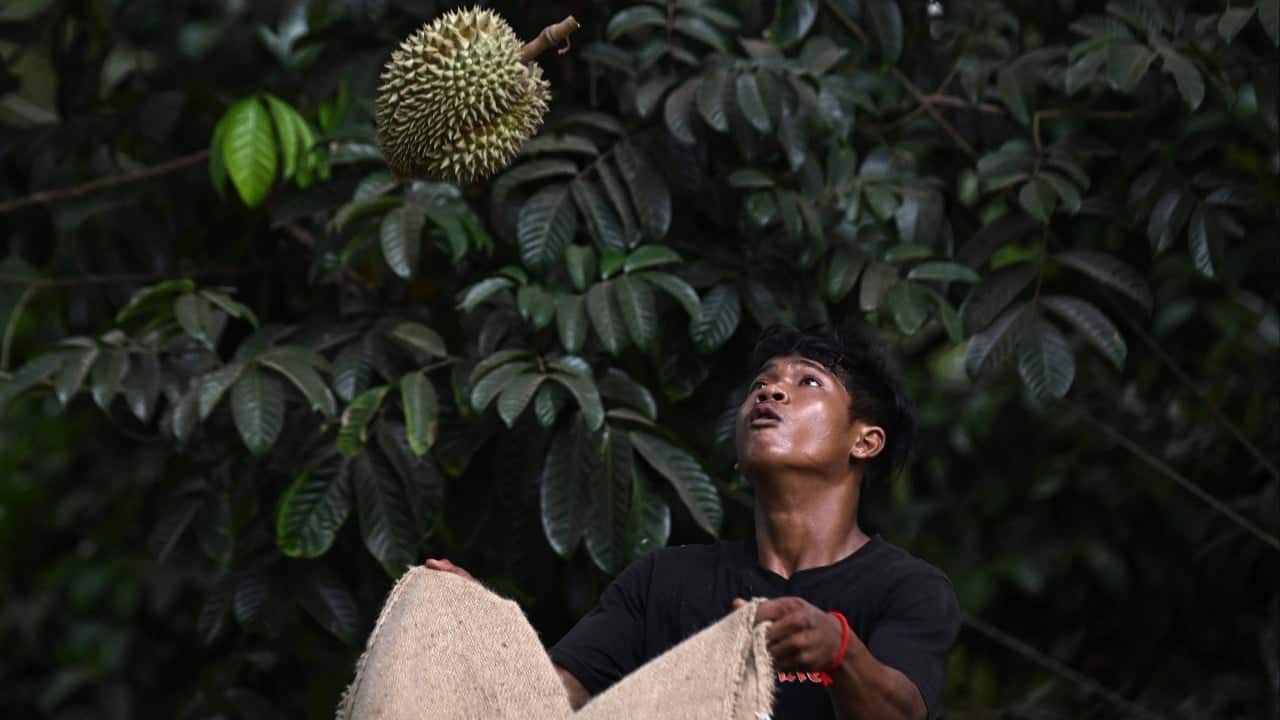
Thailand is grappling with a severe shortage of migrant workers, leading to significant losses in its agricultural sector, particularly for fruit harvests. In provinces like Chanthaburi, farmers are forced to leave ripe mangosteen and rambutan unpicked as they cannot find enough labor. Jomsak Putirattana, a durian farmer, highlighted the intensified competition for workers after his five Cambodian employees departed due to border disputes.
Daily wages for agricultural labor have more than doubled, with some workers now earning 800 to 1,000 baht, up from 350 to 400 baht. This surge makes harvesting less profitable crops uneconomical, forcing farmers to prioritize higher-value fruits. The eastern region, which produces an estimated 200 billion baht worth of fruit annually, is experiencing its peak season from April to August.
The labor crunch is attributed to political tensions with Cambodia, which has led to the departure of many Cambodian workers, and instability in Myanmar, which has slowed new hirings. Recruitment from Myanmar can now take six to eight months. The construction sector is also heavily impacted, with migrant workers forming 60-70% of its workforce. Losses in the sugarcane industry alone are estimated to exceed 3 billion baht, with some mills processing only a fraction of their projected deliveries.
In response, the Thai government plans to recruit workers from South Asian countries like Sri Lanka, Nepal, and Bangladesh. The first Sri Lankan arrivals are expected in January, primarily for the construction sector, with a trial of 10,000 workers under discussion. Agreements with Nepal and Bangladesh are planned for the following year. Additionally, authorities are preparing broader registration campaigns to integrate undocumented migrants into the formal economy.