Key facts
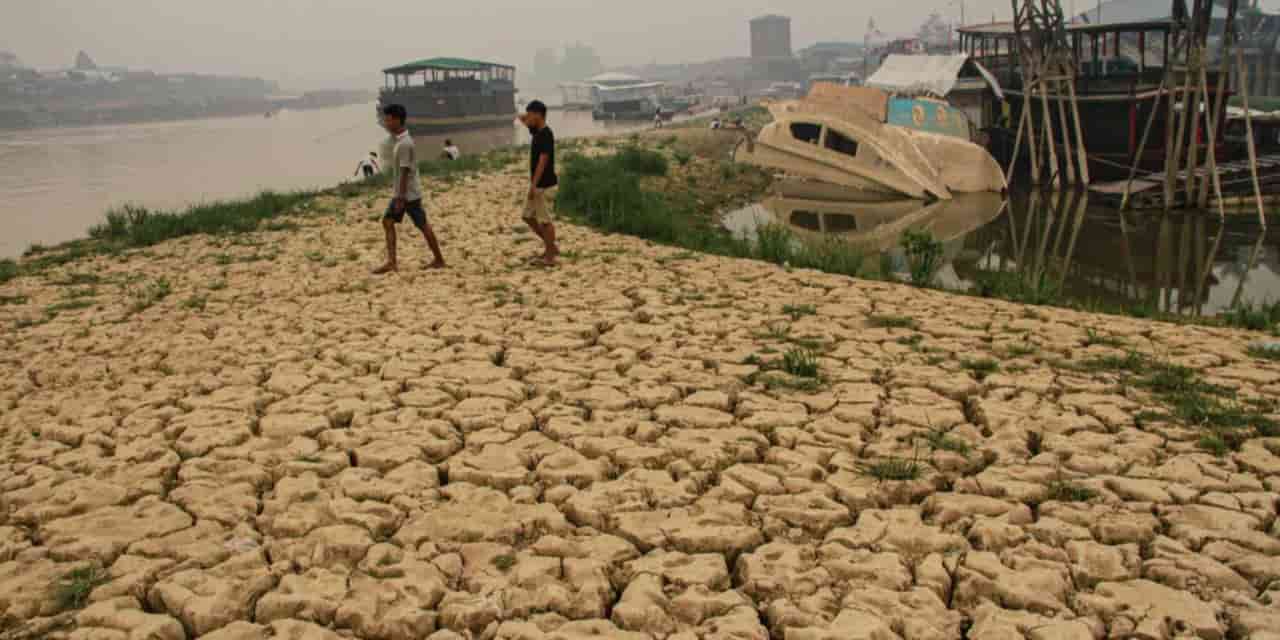
- El Nino-induced drought has lowered river levels in Indonesia's Kalimantan region.
- The drought is disrupting the delivery of commodities like coal and palm oil.
- The phenomenon could potentially reduce water discharge in key rivers like Mahakam and Barito to critical lows.
- Past El Nino events have caused significant reductions in barge loading capacity and halted traffic.
- A one-month logistics disruption could reduce Indonesian state revenues by an estimated 6-8 trillion rupiah ($350-460 million).
- Indonesia controls an estimated 48% of the global seaborne thermal coal market.
Severe drought, driven by a strong El Nino, has significantly lowered river levels in Indonesia's Kalimantan provinces, a major hub for coal and palm oil production. This disruption threatens commodity deliveries, potentially impacting production and leading to price increases.
Academics warn that the phenomenon could reduce water levels in crucial logistics waterways like the Mahakam and Barito rivers to critical lows, with estimates suggesting the impact during the 2026 dry season could be more severe than in past El Nino events. During the 2015 El Nino, barges had to reduce their loading capacity by up to 50%, and in October 2023, record-low water flows on the Barito river led several producers to declare force majeure.
Iwa Garniwa, a professor at the University of Indonesia's Faculty of Engineering, stated that a one-month logistics disruption could reduce Indonesian state revenues by an estimated 6-8 trillion rupiah ($350-460 million). The incomes of those involved in the shipping and logistics sectors would also be affected. Furthermore, delays in coal shipments could weaken international buyer confidence and allow other producing countries to gain market share. Indonesia, which controls about 48% of the global seaborne thermal coal market with annual exports of approximately 550 million tonnes, could see its dominant position disrupted.
The reliance on river transport makes Indonesia's coal logistics system highly vulnerable to climate variability. Mitigation measures such as regular channel dredging and diversification of transportation modes are recommended. Any significant supply chain disruption could also push up global coal prices.