Key facts
- India's southwest monsoon rainfall is 89-92% of the Long Period Average.
India's southwest monsoon, crucial for its agriculture, is experiencing erratic rainfall patterns, with cumulative precipitation below normal. This shortfall is impacting crops, increasing reliance on irrigation, and driving up energy demand for cooling and power generation, potentially weighing on the economy.
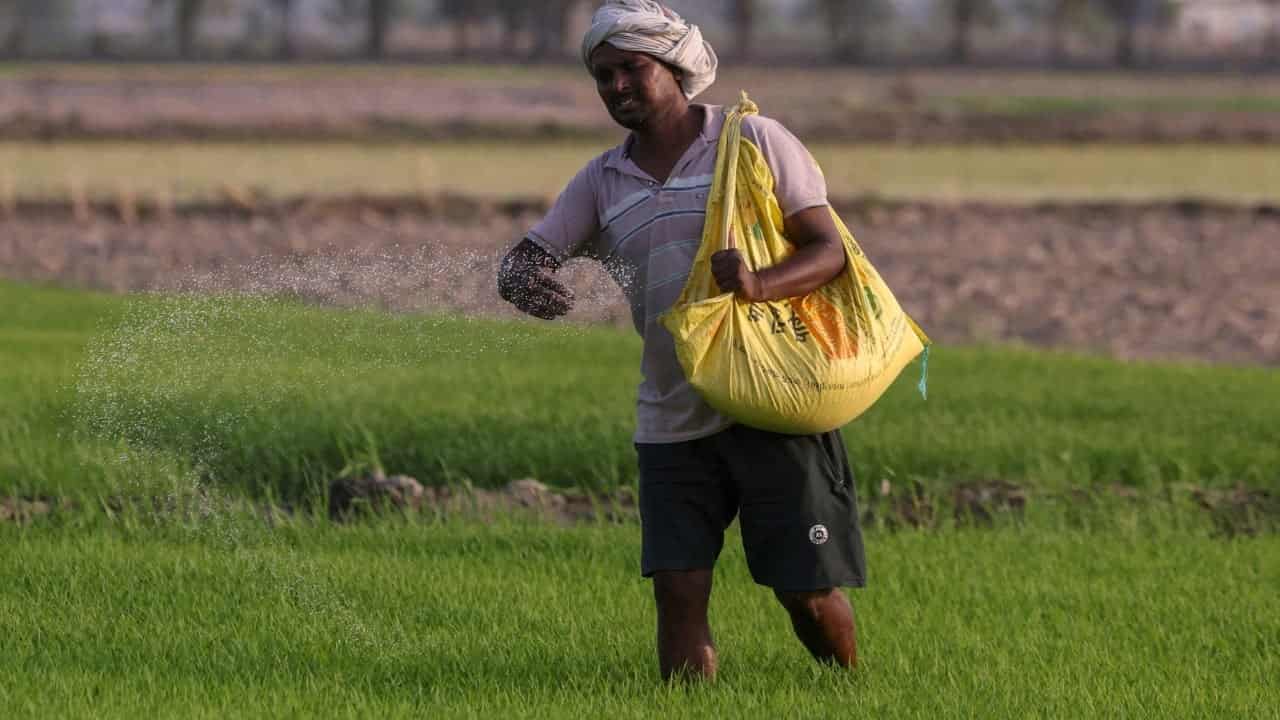
The erratic monsoon poses a significant risk to India's agricultural output, potentially leading to higher food costs and reduced rural incomes. The increased demand for irrigation and cooling is straining the country's energy resources, necessitating greater reliance on fossil fuels and potentially impacting economic growth.
India's crucial southwest monsoon is exhibiting erratic patterns, with rainfall significantly below normal levels, raising concerns for agriculture and the broader economy. This year's monsoon season has seen a weak start, with June recording the fifth-driest on record and rainfall nearly 40% below normal. This was followed by a sudden deluge in early July, dumping a month's worth of precipitation in a single week in some cities like Mumbai. However, the weather system has since stalled, leading to a break in the rains and leaving national rainfall about 24% lower than usual for this time of year.
The weakening monsoon, influenced by an intensifying El Niño and global warming, is creating a multi-sectoral crisis. For agriculture, which still relies heavily on rainfall for irrigation, the swings between dry spells and intense downpours are disrupting crop sowing. Crops like rice, which are highly water-dependent, face reduced yields if water stress occurs during critical growth stages. Farmers are increasingly turning to groundwater irrigation, leading to a surge in diesel consumption for pumps. August saw the highest ever diesel volumes for the month, with a 6.5% growth, and July also experienced a 10% increase.
Beyond agriculture, the erratic weather is impacting energy demand and supply. Hot and dry conditions are intensifying the need for cooling in urban and semi-urban areas, driving up electricity demand. Simultaneously, reduced rainfall is leading to lower inflows into reservoirs, causing a deficit in hydropower generation. This forces greater reliance on thermal power plants, which are more carbon-intensive, and potentially diesel-driven generators, creating a double burden on India's energy system.
Pick the topics you care about. Get only what matters, on your cadence.