Key facts
- Hydropower projects in the Hindu Kush Himalaya region are facing increasing damage from climate change-driven glacial floods and avalanches.
- A glacial lake outburst flood (GLOF) event on August 26, 2026, in Nepal caused losses estimated in the hundreds of billions of rupees.
- The flood, triggered by an ice-rock avalanche, knocked out approximately 10% of Nepal's power system.
- Older hydropower projects with ground-level powerhouses sustained more extensive damage than newer projects with underground facilities.
- Insurance coverage for government-owned infrastructure in Nepal is a concern, potentially hindering rebuilding efforts.
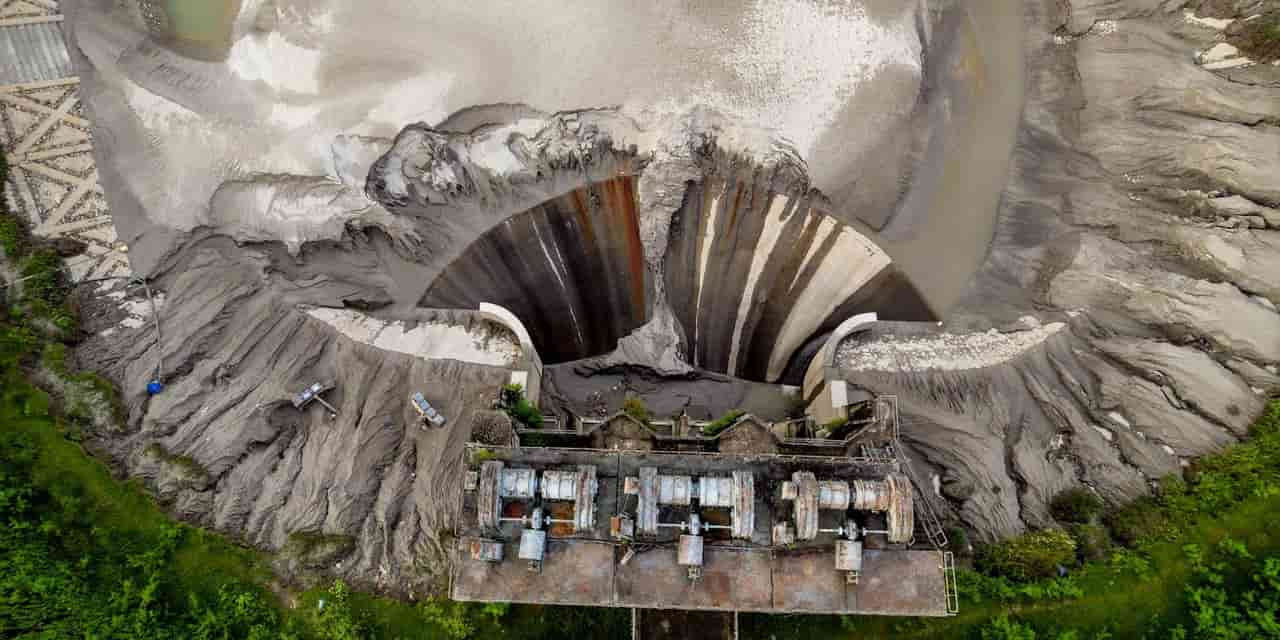
The hydropower industry in the Hindu Kush Himalaya region is facing escalating damage-related losses due to climate change, which is destabilizing high-altitude icy zones and increasing the risk of floods and avalanches. A significant event on August 26, 2026, saw an ice-rock avalanche of an estimated 100-200 million cubic meters collapse into the Lhende Khola valley, forming a temporary debris dam that subsequently breached. This surge flowed down Nepal's Trishuli corridor, causing water levels to rise by as much as 300 meters in narrow gorges and knocking out approximately 10% of the country's power system.
The Nepal Electricity Authority (NEA) has preliminarily assessed the damage across more than a dozen hydropower projects and transmission infrastructure to be in the hundreds of billions of rupees, a figure substantially higher than initial estimates from private sector developers. The Independent Power Producers’ Association, Nepal (IPPAN) estimated losses at around Rs25 billion to Rs30 billion, with older projects featuring ground-level powerhouses suffering extensive or complete damage, while newer projects with underground facilities fared comparatively better.
At least 13 hydropower projects, both operational and under construction, were affected in the Rasuwa and Nuwakot districts. The Rasuwagadhi Hydropower Project was reportedly completely washed away, and the Chilime project was buried. The scale of destruction has raised critical questions about the cost and process of rebuilding damaged projects.
Insurance is expected to play a key role in the recovery process. While private hydropower projects are generally insured, concerns exist that government-owned infrastructure, including that of the NEA, may not have comprehensive insurance coverage, potentially complicating compensation and reconstruction efforts. Experts note that despite growing climate risks, many government structures in Nepal remain uninsured.