Swiss glaciers lose over 5% of ice in 2026 after record heatwave
IN SHORT
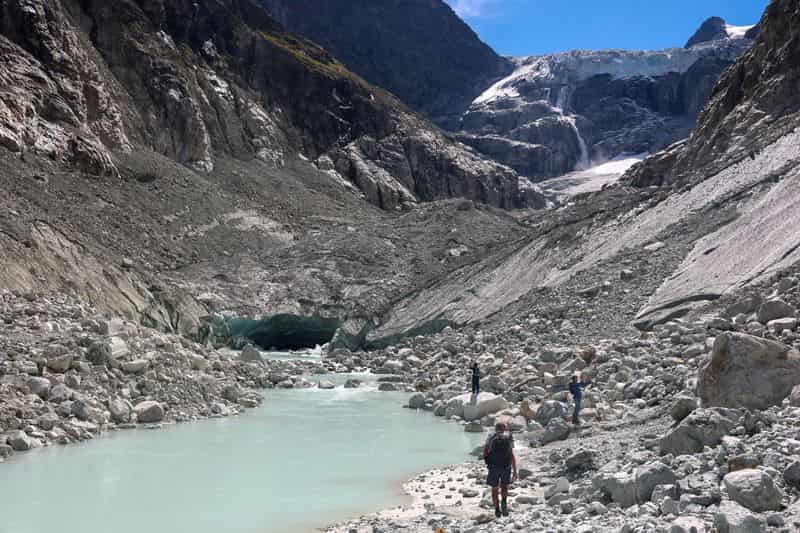
Swiss glaciers lost more than 5% of their ice in 2026, marking one of the worst years for ice loss due to a record-breaking European heatwave and a winter with insufficient snowfall. Scientists warn this accelerating melt threatens future water supplies and the long-term survival of Europe's ice fields.
Key Numbers
5%ice loss in 2026
2.2 trillion literswater lost from Swiss glaciers between July and September 2026
4 metersaverage thickness lost by Glacier de Tsanfleuron
20%ice lost by Swiss glaciers over the past five years
Who's Involved
Matthias Huss
director of GLAMOS, said glaciers are melting away
Swiss Glacier Monitoring Network (GLAMOS)
reported over 5% ice loss in 2026
Swiss Commission for Cryosphere Observation of the Swiss Academy of Sciences
reported over 5% ice loss in 2026
↳ Why This Matters
The rapid melting of Swiss glaciers, exacerbated by extreme heatwaves, threatens long-term water security for Europe and raises fundamental questions about the survival of alpine ice fields, impacting ecosystems and regional water resources.