Key facts
- Red-dyed diesel is chemically identical to on-road diesel but exempt from highway fuel taxes.
- Using dyed diesel on public roads is illegal and constitutes tax evasion.
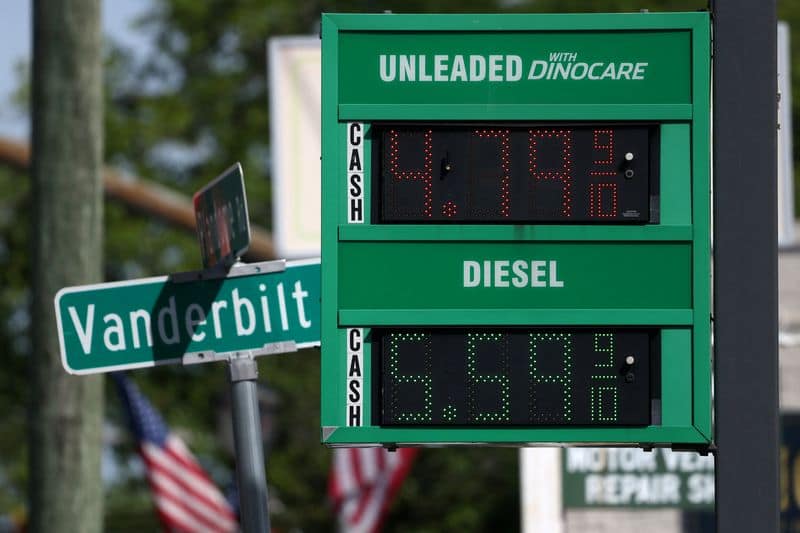
- US diesel prices hit a record $6.53 a gallon last week.
- Analysts doubt expanding sales of tax-exempt diesel will solve supply issues.
The White House is contemplating regulatory measures that would permit wider distribution of red-dyed diesel, a fuel exempt from highway taxes, as diesel prices escalate due to supply shortages. These shortages are attributed to the conflict involving Iran, Ukrainian attacks on Russian refineries, and diminishing global stockpiles.
Analysts, however, express skepticism that such a move would significantly impact the core issue of dwindling supply, which has propelled prices to record highs. The US diesel price reached $6.53 per gallon last week, according to AAA data. The Trump administration is also considering a ban on diesel exports.
Red-dyed diesel is chemically identical to standard diesel but is marked with a red dye to indicate that highway taxes have not been paid. It is intended for off-road equipment such as farm machinery and construction vehicles. Using it on public roads is illegal and can lead to substantial fines for tax evasion. Several U.S. states have eased restrictions on dyed diesel in response to rising fuel costs.
Federal excise taxes on highway diesel fuel include a 24.3-cent-per-gallon diesel tax and a 0.1-cent-per-gallon underground storage tank fee. State taxes average approximately 35.5 cents per gallon. Off-road diesel constitutes about 30% of total U.S. distillate consumption, approximately 18.2 billion gallons annually, according to Jim Mitchell, an analyst at Wood Mackenzie. The U.S. transportation sector consumes nearly 123 million gallons of diesel daily.