Key facts
- Japan's rice market has swung from a severe shortage in 2023 to a record surplus by mid-2026.
- Private brown-rice stocks stood at 2.23 million tonnes at the end of May 2026, up 740,000 tonnes year-on-year.
- Cumulative sales of the 2025 crop were 1.322 million tonnes, down 272,000 tonnes year-on-year.
- The estimated 2025 staple-rice crop was 7.47 million tonnes, against demand of 6.91 million to 7.04 million tonnes.
- The average supermarket price for five kilograms of rice was ¥3,458 in the week of June 29 to July 5, down 4% from a year earlier.
- Experts are surprised by the rapid fluctuation between shortage and surplus.
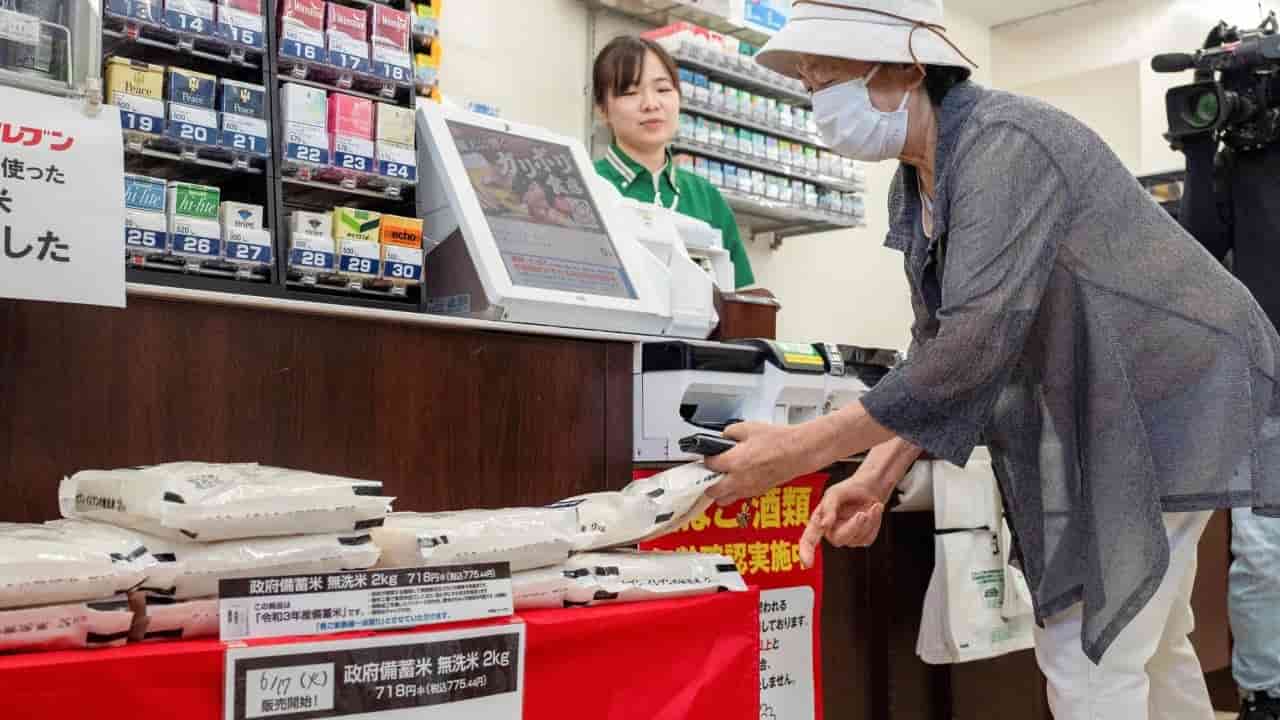
Japan's rice market has experienced a dramatic swing from a severe shortage to a significant surplus within a few years, a reversal that has surprised experts and created financial challenges for farmers. In 2023, extreme heat and drought damaged the rice crop, leading to a national shortage. This was exacerbated by a tourism boom and panic buying, which increased demand. As a result, private rice stocks fell to approximately 1.5 million tons, and the price of a five-kilogram bag of rice peaked at ¥4,300 ($27) by 2025. The government released emergency rice reserves for the first time since 1995 to address the scarcity.
In response to the high prices, farmers ramped up production for the 2025 crop, which was estimated at 7.47 million tonnes. Simultaneously, consumer demand weakened as households and food businesses economized or substituted rice with other staples like bread and noodles. This combination of increased supply and decreased demand led to a rapid rebuilding of carryover stocks. By the end of May 2026, private brown-rice inventory stood at 2.23 million tonnes, a substantial increase from a year earlier, and cumulative sales of the 2025 crop were significantly down year-on-year. The average retail price has fallen below ¥3,500 for the first time in 79 weeks, but remains costly for consumers accustomed to pre-crisis prices. To prevent prices from collapsing further, the government has begun buying back 210,000 tons of rice to refill its reserves.