Key facts
- Philippine nickel ore exports to Indonesia rose 82% year-on-year in the first seven months of 2026.
- Indonesia's 2026 ore quota is set at 250 million to 260 million tonnes, below the 315 million tonnes its plants need.
- Indonesia imported 11.4 million tonnes of Philippine ore from January to July, up 67% year-on-year.
- An El Niño-linked water shortage forced some Indonesian smelters to cut nickel pig iron output by approximately 100,000 tonnes.
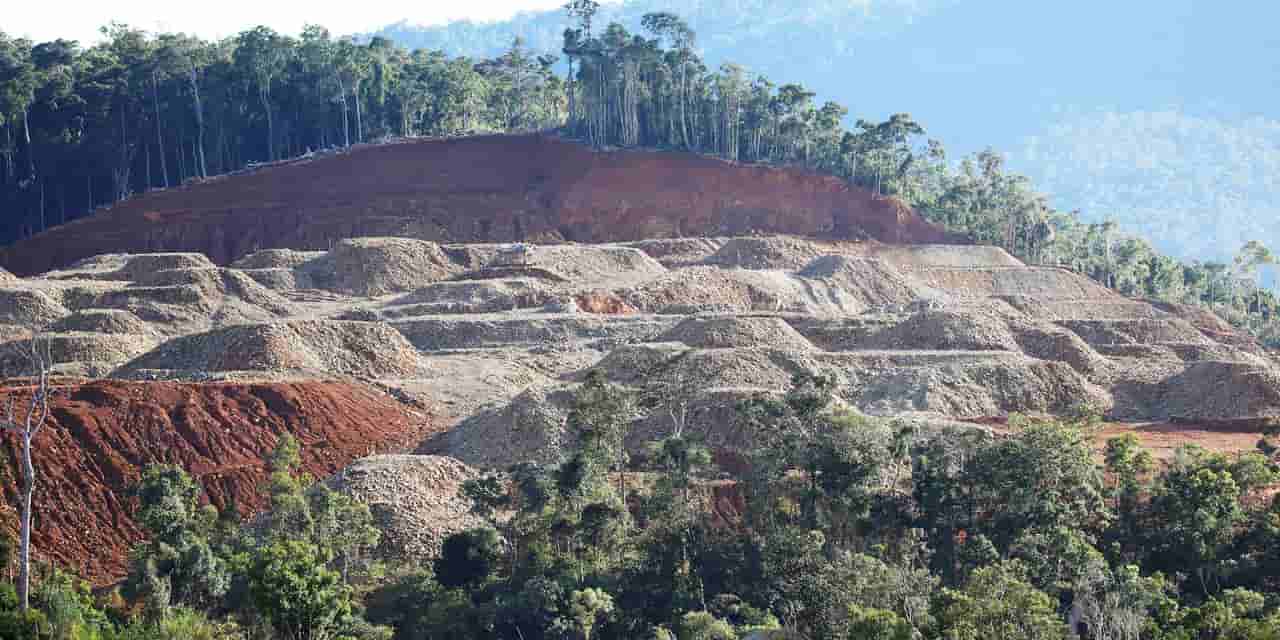
Philippine exports of nickel ore to Indonesia have surged by 82% year-on-year in the first seven months of 2026, following a significant reduction in Indonesia's production quotas. This shift is prompting Manila to consider developing its own domestic processing industry, although industry experts have raised concerns about the feasibility of such a move.
Indonesia, the world's largest nickel producer, slashed its 2026 mining quotas to between 250 million and 260 million tonnes, a decrease from 379 million tonnes in 2025. This reduction falls short of the 315 million tonnes required by Indonesian processing plants. To compensate, Indonesia has increased its imports of Philippine ore, with arrivals rising 67% year-on-year to 11.4 million tonnes between January and July, according to World Bureau of Metal Statistics data.
Despite the reduced quotas, the impact on global nickel prices has been muted. LME three-month nickel was trading around $16,475 per tonne on September 24, significantly below the 2026 broker consensus of $17,440 per tonne. This is partly due to quota "leakage," where allocations were increased for specific operators, such as Eramet's Weda Bay mine, after they exhausted their initial quotas. Furthermore, Indonesian intermediates continue to lift Chinese refined output, contributing to exchange warehouse stocks.
Separately, Indonesia Morowali Industrial Park (IMIP) confirmed that a water shortage linked to El Niño has forced some tenant smelters to reduce their nickel pig iron (NPI) output by approximately 100,000 tonnes. This news caused LME three-month nickel to rise 2.1% over two sessions, before slipping to $16,475 per tonne. The NPI cut represents about 2.4% of IMIP's 4.2 million tonnes annual installed capacity.
Philippine direct-shipping ore exporters are benefiting from increased demand from Indonesia, though they are primarily seeing volume gains rather than price increases. The lack of transparency regarding quota revisions by Jakarta means that exporters may face sudden drops in demand without prior warning. Analysts suggest that position sizing, rather than timing quota announcements, is the key variable for holders of Philippine DSO exporters.