Key facts
- Russian casualties from Ukrainian drone strikes increased significantly in early October.
- Between Oct. 1-5, 2,699 Russian troops were killed or wounded by Ukrainian drones.
- This figure represents a 39.7% increase from September and a 76.5% increase from August.
- The Dobropillia-Pokrovsk sector saw the highest increase in drone-attributed casualties.
- Ukraine's General Staff estimated 46,230 Russian personnel losses in September.
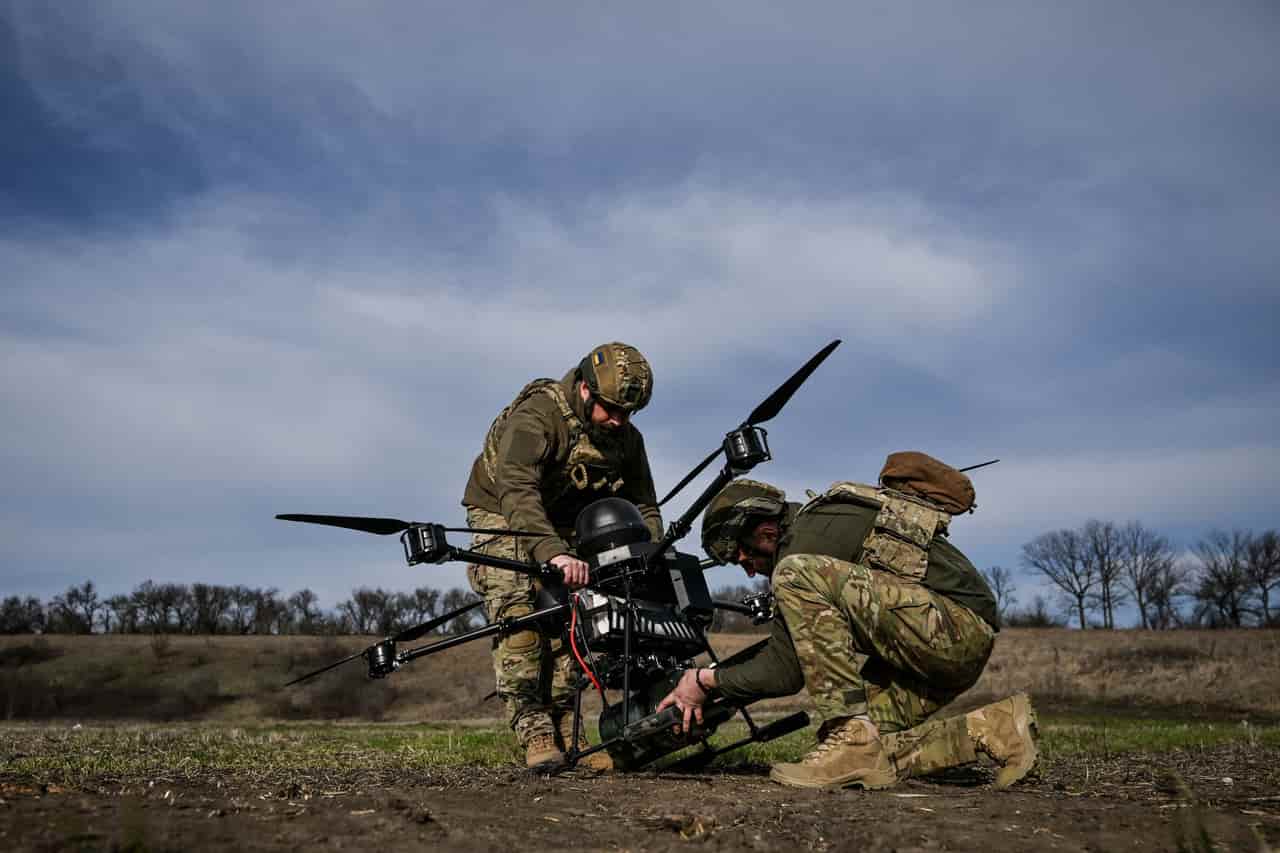
Russian casualties attributed to Ukrainian drone strikes saw a significant increase in the first five days of October compared to the same periods in August and September, according to Robert Brovdi, commander of Ukraine's Unmanned Systems Forces, also known by his callsign "Madyar."
Between October 1 and 5, Brovdi reported 2,699 Russian troops killed or wounded by Ukrainian drones, a 39.7% rise from September and a 76.5% increase from August. The Dobropillia-Pokrovsk sector in Donetsk Oblast, under the responsibility of the Ukrainian National Guard's 1st "Azov" Corps, recorded the largest increase. In this area, drone operators documented 1,268 Russian casualties in early October, up 43% from September and 91% from August.
These figures specifically cover casualties inflicted by Ukraine's Unmanned Systems Forces and do not encompass losses from other Ukrainian military units. Ukraine's General Staff stated on October 1 that Russian forces sustained an estimated 46,230 personnel losses in September, marking the highest monthly figure recorded by Ukraine thus far in 2026.
Ukraine has increasingly relied on drones to target Russian forces and disrupt operations. Oleksiy Melnyk, co-director of the Kyiv-based Razumkov Center, indicated in May that drones account for 70% to 80% of Russian casualties, with FPV drones often carrying sufficient explosives for immediate fatalities. President Volodymyr Zelensky stated in July that Russia had lost over 1.5 million troops killed or wounded since the full-scale invasion began.
These casualty figures cannot be independently verified, as Moscow does not release comprehensive data. Russia has continued to replenish its forces through a coercive recruitment system, utilizing financial incentives, regional quotas, pressure on various institutions, and the enlistment of foreign nationals and residents of occupied Ukrainian territories, rather than announcing another nationwide mobilization.