Key facts
- At least three people were killed and 39 injured in Russian glide bomb attacks on Kharkiv on Oct. 5.
- Children were among the 39 injured in the attacks.
- The strikes damaged warehouse buildings and residential buildings.
- Russian glide bombs, known as KABs, are repurposed aerial bombs with guidance systems.
- Kharkiv Mayor Ihor Terekhov confirmed the use of at least three glide bombs.
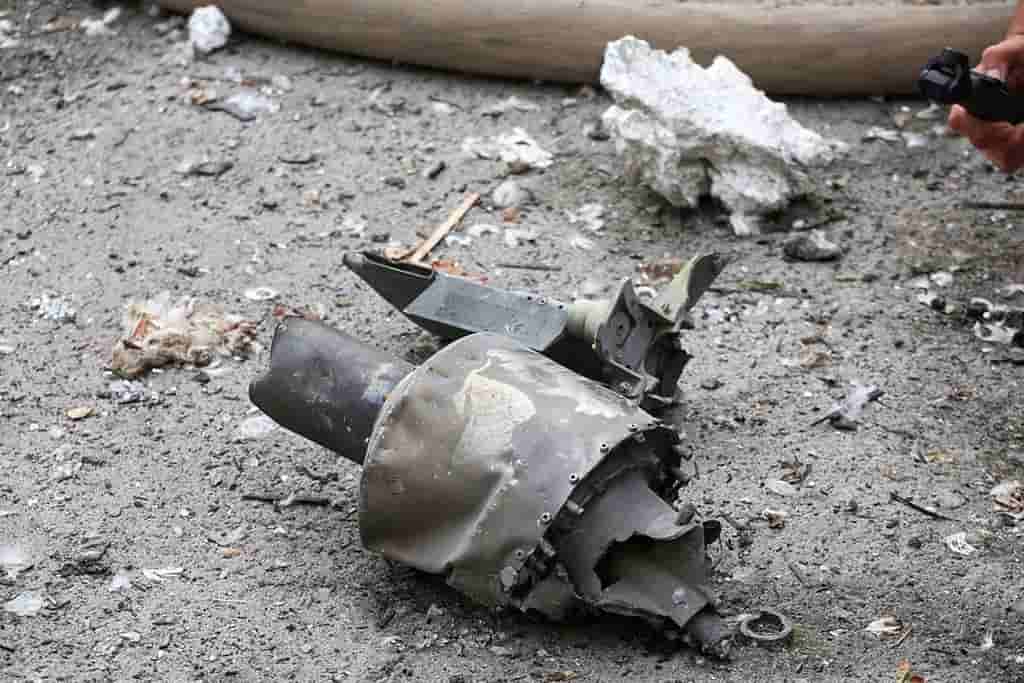
Russian forces struck Kharkiv with at least three glide bombs on October 5, 2025, resulting in three fatalities and 39 injuries, including children. Kharkiv Mayor Ihor Terekhov reported that the enemy attacked with at least three glide bombs (KABs), leading to fires in warehouse buildings and damage to residential structures. He also noted that there may be people under the rubble of a damaged residential building, and a search and rescue operation is ongoing.
Russian glide bombs, also known as KABs (Kerovana Aviabomba), are conventional aerial bombs retrofitted with guidance systems like GPS or laser targeting, allowing them to glide tens of kilometers before impact. This capability enables Russian aircraft, typically the Su-34, to release them from a distance, evading Ukrainian air defenses. The warheads vary in size, from 300 kilograms to 3 metric tons, capable of destroying multi-story buildings with a direct hit. These weapons are often employed against hardened or entrenched targets such as bridges and command posts.
Kharkiv, due to its proximity to the front lines, is a frequent target for Russian strikes. This recent attack follows a previous Russian double-tap missile strike on October 5, 2026, which killed one person and injured six. Earlier on October 2, Russian glide bombs hit the Slobidskyi and Nemyshlianskyi districts, causing two deaths and 36 injuries, including three children. The repeated use of such munitions highlights Russia's strategy of employing fast, maneuverable aerial weapons, which strains Ukraine's air defense capabilities.