Key facts
- The U.S. Department of Defense is backing a plan to beam solar power from space to Earth.
- Overview Energy will design, build, and test a homing beacon for space-based solar power.
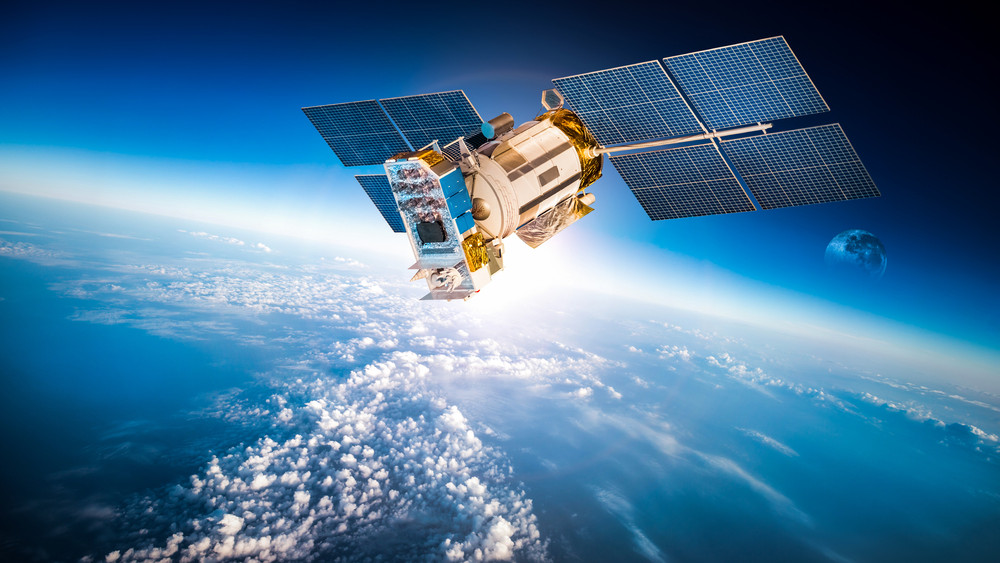
- Space-based solar power aims to generate clean energy 24/7 from orbit.
- The technology could address energy intermittency and land-use challenges of terrestrial solar farms.
- The Department of Defense intends to use the technology for remote military bases.
- The first demonstration is scheduled for 2028, with satellite deployment beginning in 2030.
The U.S. Department of Defense has awarded a contract to Overview Energy to develop a system for beaming solar power from space to Earth, signaling significant backing for the nascent technology. The initiative aims to overcome key challenges in the clean energy sector, such as intermittency and land use.
Space-based solar power involves orbiting solar panels that collect sunlight and transmit it to Earth via lasers or microwave beams. This approach would allow for continuous energy generation, unlike terrestrial solar farms that are limited by daylight hours and weather conditions. The Department of Defense is particularly interested in the technology for powering remote military bases, where reliable and dispatchable energy is crucial.
According to a 2022 report by McKinsey & Company, utility-scale solar farms can require up to ten times more land per unit of power than fossil fuel plants. Space-based solar power offers a potential solution by eliminating the need for vast land tracts.
Overview Energy's co-CEO, Darko Filipi, emphasized the critical nature of the space-to-ground connection for military applications. The company has also secured a significant deal with Meta, promising up to 1 gigawatt of space-based solar energy, equivalent to the output of a nuclear reactor.
Despite the ambitious plans and substantial contracts, some experts remain skeptical about the economic viability of the technology. Amory Lovins, a physicist at Stanford and co-founder of RMI, expressed doubts about the economics, pointing to more established and cheaper clean energy alternatives like nuclear and geothermal power.