Key facts
- Romania is implementing emergency measures to increase Danube River water levels to cool the Cernavoda nuclear power plant.
- The Cernavoda plant has reduced operations due to historically low water levels, leading to a state of emergency.
- Planned measures include dredging, building a groyne, releasing water from reservoirs, and using high-capacity pumps.
- Romania has sought emergency electricity imports from Ukraine and prepared to restrict national consumption.
- Previous attempts to clear a rock obstruction on the Danube were unsuccessful.
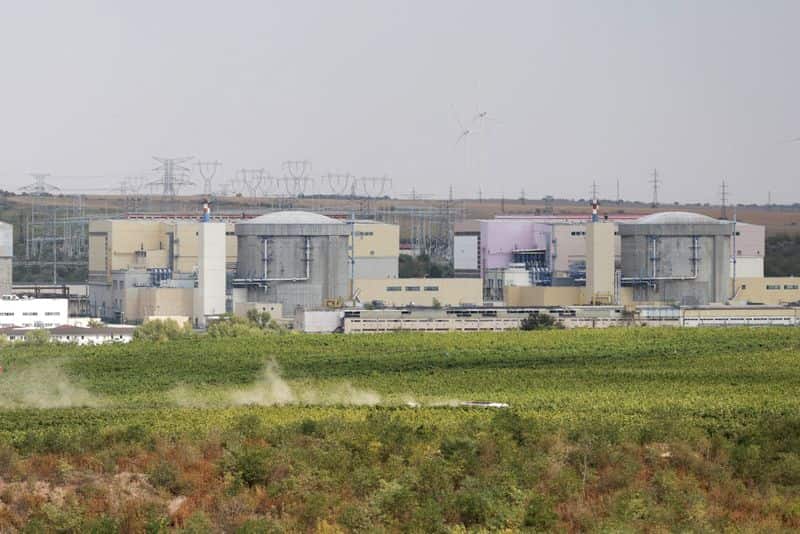
Romania is implementing emergency measures to address critically low water levels in the Danube River, which are threatening the cooling systems of the Cernavoda nuclear power plant. The country has declared a state of emergency throughout August due to a significant decline in electricity production.
New measures approved by the National Committee for Emergency Situations include emergency dredging of the Danube near the plant, construction of a groyne to divert water towards the plant's intake, and the release of water from reservoirs on the River Olt by operator Hidroelectrica. High-capacity pumps are also on standby to maintain necessary water levels.
Previously, the plant had to shut down one of its two reactors due to the low water levels. The situation prompted Romania to seek emergency electricity imports from Ukraine and prepare for potential restrictions on national consumption. Authorities warned that the loss of the second reactor could mean a 20% reduction in national energy production.
Naval forces have attempted to clear a large rock obstruction on the Danube to improve water flow towards the plant, with a second, larger explosive attempt planned. Additionally, four barges loaded with stone are set to be sunk in another Danube channel to redirect more water towards the plant's intake.