All NewsEducationTV
Equities & FundsCrypto & Digital AssetsAI & TechnologyBusiness & CorporateUS Politics & PolicyGeopolitics & Global RiskMacro, Rates & FXCommodities & EnergyEuropean Politics & MarketsAsia-PacificReal Estate & Property
All NewsHome
← Back to Commodities & Energy

Panama Canal to Limit Shipping Due to El Nino-Fueled Drought

Created at 22 Aug · 11:16 PM1 source↑ Market-relevant
IN SHORT

The Panama Canal Authority will reduce the number of ships transiting daily due to critically low water levels caused by an El Nino-driven drought. This measure will impact global supply chains and shipping costs.

Key Numbers

24ships per day maximum
32ships per day average

Who's Involved

Panama Canal Authority
announced reductions in daily ship transits due to drought
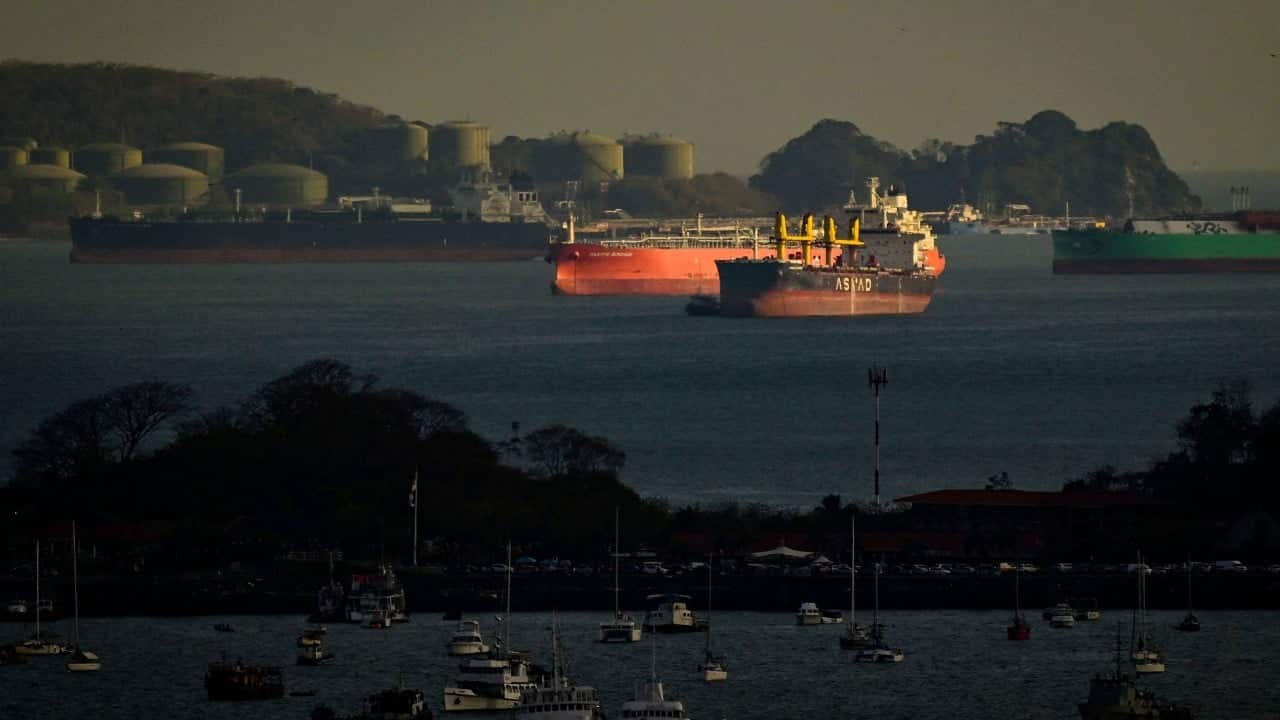
Panama Canal to Limit Shipping Due to El Nino-Fueled Drought

↳ Why This Matters

The Panama Canal is a critical chokepoint for global trade, and reduced capacity will disrupt supply chains, increase shipping costs, and potentially lead to delays for goods moving between the Atlantic and Pacific oceans.

Key facts

  • The Panama Canal Authority will reduce the number of daily ship transits.
  • The reduction is due to critically low water levels caused by an El Nino-fueled drought.
  • The measure is necessary to conserve water and manage the canal's operations.
  • The changes are expected to impact global supply chains and shipping costs.

The Panama Canal Authority has announced that it will reduce the number of ships transiting the waterway daily due to critically low water levels. The reduction is a direct consequence of an El Nino-fueled drought that has severely impacted the region's water supply.

The canal, a vital artery for global trade, typically allows around 32 ships per day. However, the authority will now limit transits to a maximum of 24 ships per day to conserve water. This measure is essential for managing the canal's operations during the ongoing dry spell.

The drought conditions are expected to persist, and the authority is monitoring the situation closely. The reduction in transits is likely to cause delays and increase shipping costs as vessels may need to seek alternative routes or face longer waiting times. This situation highlights the vulnerability of critical global supply chains to climate-related events.

Frequently asked questions

The canal is experiencing critically low water levels due to an El Nino-fueled drought, necessitating water conservation measures.

Daily transits will be reduced from an average of 32 ships to a maximum of 24 ships.

The reduction is expected to affect global supply chains and increase shipping costs due to potential delays and the need for alternative routes.

What Happens Next

01The Panama Canal Authority will continue to monitor water levels.
02Further adjustments to transit numbers may be made based on weather conditions.
CME Headlines
  • Gold futures hit May highs as fiscal concerns offset yields.
    21 Aug · 9:05 PM
  • Gold futures hit May highs as fiscal concerns offset yields.
    21 Aug · 9:05 PM
  • RBOB Gasoline futures reach highest levels since June as volume rolls.
    21 Aug · 8:29 PM

How It Developed

The Panama Canal Authority announced reductions in daily ship transits.
The reductions are attributed to critically low water levels.
The drought is linked to the El Nino weather phenomenon.
The measure aims to conserve water and manage the canal's operations.
The changes will affect global supply chains and shipping costs.

Sources

T1
Panama Canal to reduce shipping over El Nino-fuelled droughtSouth China Morning Post

Related Stories

Romania takes emergency measures to boost Danube water for nuclear plant cooling
22 Aug · 8:54 AM
Europe's Rhine Crisis Masked by Weak Demand, Not Solved
22 Aug · 11:42 PM
Iran allows Iraqi oil tankers passage through Strait of Hormuz
22 Aug · 8:42 AM
Global oil inventories fall as Hormuz shipping halt persists
22 Aug · 3:25 PM
Cattle Ranchers Association Criticizes Trump's Beef Price Plan
22 Aug · 7:11 PM