Key facts
- A "super" El Niño has a 95% chance of developing, potentially becoming the strongest since 1950.
- This El Niño event is contributing to record global temperatures.
- Past strong El Niños have caused significant impacts like drought, floods, and beach erosion.
- The current El Niño could be amplified by climate change and existing global food system strains.
- Potential impacts include weakened fisheries, intensified marine heat waves, and coral bleaching.
A "super" El Niño is highly likely to develop, with a 95% chance, potentially becoming the strongest since 1950. This climate pattern, characterized by warmer ocean waters in the central and eastern tropical Pacific, is expected to bring significant changes to weather systems globally.
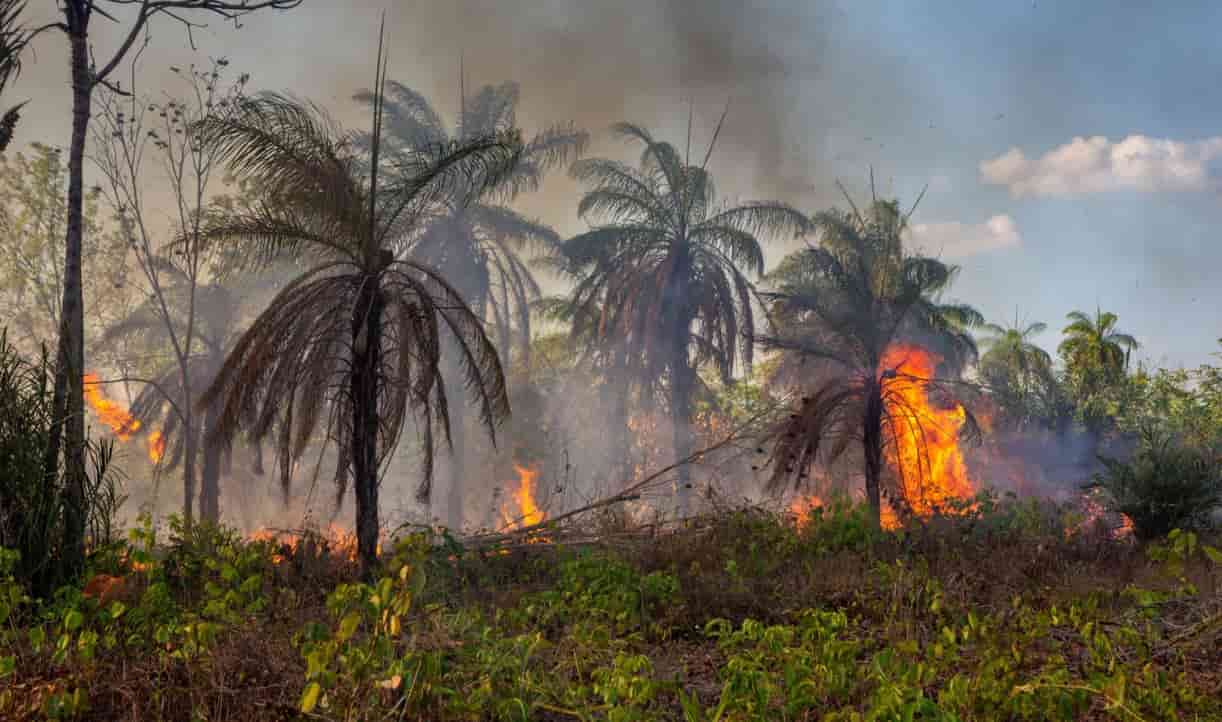
Scientists have observed that the El Niño has strengthened considerably in the past month. While past powerful El Niños have led to substantial rainfall in Southern California, record beach erosion, droughts in some regions, and floods in others, the full extent of this year's event's impact is still unfolding. The pattern's effects vary by region, with some areas like the Caribbean, Central America, northern Brazil, central and northern India, central and southern Africa, Indonesia, the Philippines, and Australia expected to experience drought.
This year's El Niño is also contributing to record global temperatures, with July's average surface temperature tying a modern record. The phenomenon's impacts extend to marine ecosystems, potentially weakening fisheries by reducing nutrient-rich upwelling and intensifying marine heat waves. Coral reefs are particularly vulnerable, with past strong El Niños linked to major global bleaching episodes.
The potential for this El Niño to be amplified by ongoing climate change and existing strains on global food systems, exacerbated by conflicts like the U.S.-Iran war, raises concerns about broader consequences for water availability, agriculture, and coastal communities.