Key facts
- Global forest destruction decreased by 15% in 2025 to 7 million hectares.
- Tropical primary rainforest loss fell 36% from 2024 to 2025.
- The Congo Basin experienced a surge in rainforest loss, reaching 2.4 million hectares.
- Brazil achieved a 42% reduction in primary forest loss.
- Agricultural expansion is the primary driver of tropical deforestation.
- The current rate of deforestation is insufficient to meet the 2030 pledge to end forest loss.
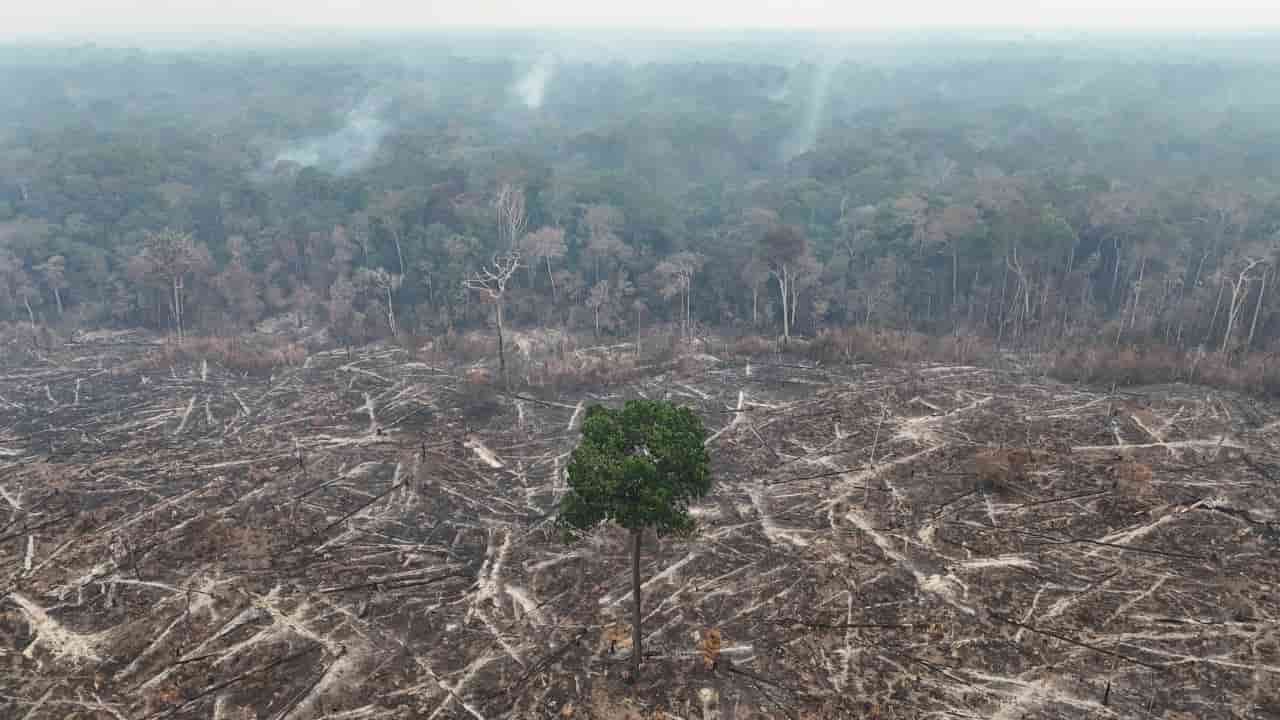
Global deforestation slowed in 2025, with seven million hectares of forest destroyed, a 15% decrease from the previous year, according to the annual Forest Declaration Assessment. However, the study warns that this improvement is unlikely to last due to deteriorating conditions in Central Africa and an intensifying El Nino weather pattern.
Tropical primary rainforest loss eased by 36% compared to 2024, following record losses driven by extreme fires in the prior year. Data from the University of Maryland’s GLAD lab, available on WRI’s Global Forest Watch, indicates that despite the reduction, the world still lost 4.3 million hectares of tropical primary forest in 2025, which is 46% higher than a decade ago.
The reduction in 2025 was partly due to significant progress in Brazil, which saw a 42% decrease in primary forest loss. Other countries like Colombia, Indonesia, and Malaysia also experienced stable or low rates of forest loss. However, tropical primary forest loss remained high in countries such as Bolivia and the Democratic Republic of the Congo.
In contrast to the global trend, rainforest loss in the Congo Basin surged to 2.4 million hectares, nearly matching the deforestation levels in the Amazon. Experts described this continued loss as a "disaster" that will be "totally irreversible."
Agricultural expansion, including commodity production and subsistence farming, was identified as the leading cause of tree cover loss across the tropics. The study also noted that fires remain a growing threat to forests worldwide.