Key facts
- July marked the busiest month on record for wildfires in the UK, with 458 incidents reported.
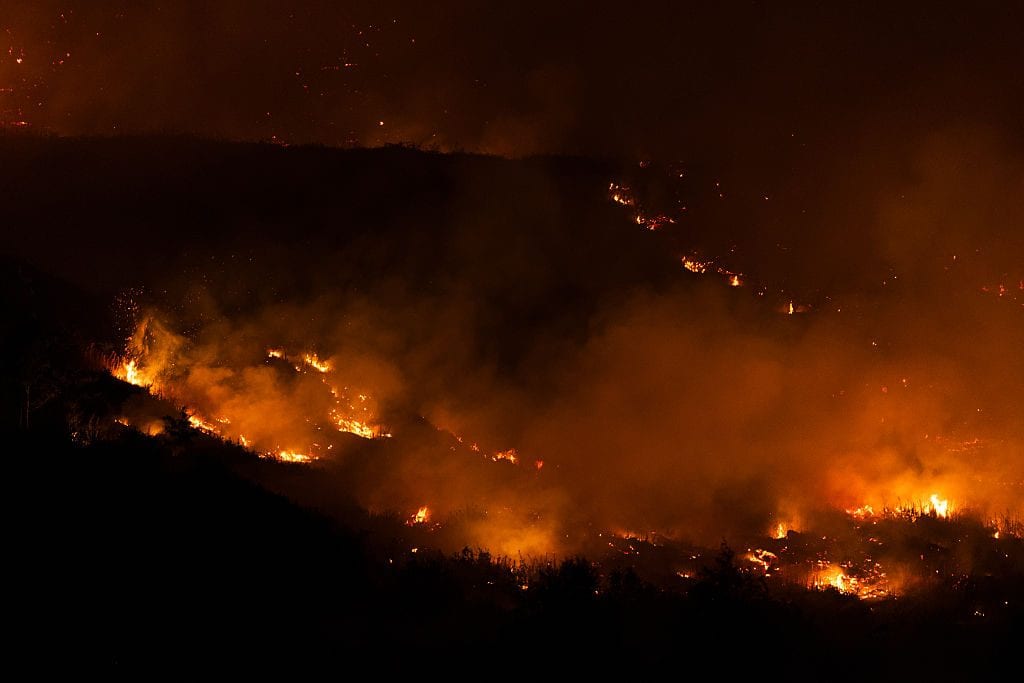
- Over 120 firefighters are tackling a large wildfire in the New Forest, which began on Sunday.
- The UK is on course for its hottest summer on record by average temperature.
- Nearly three-quarters of England is officially in drought, with water use restrictions in place for over 27 million people.
- The Fire Brigades Union is advocating for the recruitment of 5,000 additional firefighters to address the escalating wildfire threat.
The UK is facing an escalating wildfire threat, with July recorded as the busiest month on record for such incidents. Firefighters are struggling to contain a large blaze in the New Forest, fueled by a desiccated landscape, high winds, and a lack of rain for 59 days in Hampshire. This situation is occurring as the UK braces for its fifth heatwave of the summer and is on track for its hottest summer on average. Almost three-quarters of England has been declared in drought, leading to water use restrictions for millions.
The National Fire Chiefs Council reported responding to 966 wildfires this year, with 458 in July alone. The New Forest fire, which started after a lorry caught fire on the A31, has spread across more than 100 hectares, forcing road closures and requiring extensive repairs. Fire crews are using a mix of engines and off-road vehicles, supported by a police drone, to manage hotspots, but face challenges with water supply and difficult terrain. The peat beneath the surface is a particular concern, as it can continue to smolder and spread the fire.
The Fire Brigades Union has highlighted the "unprecedented summer of dangerous and volatile wildfires" and is calling for the recruitment of 5,000 more firefighters, along with better equipment, to cope with the extreme climate conditions. London's fire brigade has also seen a significant increase in emergency calls, with a 31% rise this summer compared to the previous five-year average, attributed to both wildfires and flooding. The union warns that the trend of extreme weather events is likely to continue due to the climate crisis.
Experts link the increasing frequency and scale of wildfires globally to climate breakdown. The current "fire wave" in the UK is described as the most widespread the country has ever experienced, exacerbated by a combination of wet winters and prolonged heatwaves. Similar large blazes have occurred in various parts of the UK, including Suffolk, the Isle of Wight, Wales, and Scotland. The drought conditions are expected to worsen without significant and sustained rainfall, impacting farming, the environment, and water resources.