All NewsEducationTV
Equities & FundsCrypto & Digital AssetsAI & TechnologyBusiness & CorporateUS Politics & PolicyGeopolitics & Global RiskMacro, Rates & FXCommodities & EnergyEuropean Politics & MarketsAsia-PacificReal Estate & Property
All NewsHome
← Back to Commodities & Energy

Europe's Nuclear Cooling Crisis Threatens Energy Supply Amid Heatwaves

Created at 21 Aug · 10:06 PM1 source↑ Market-relevant
IN SHORT

Extreme heat and record low river levels are forcing European nuclear power plants to reduce output or shut down, threatening energy supply and potentially costing the EU billions in GDP losses. Governments are scrambling for solutions as climate change exacerbates the crisis.

Key Numbers

5heatwaves in Europe this summer
30 degrees Celsiustemperatures recorded
one-thirdof heat converted to electricity by nuclear reactors
one-fifthof Romania's electricity supplied by Cernavoda plant
40 per centof Hungary's electricity typically produced by Paks plant
two-thirdsof France's electricity produced by nuclear power
15 per centof France's nuclear portfolio potentially offline
$207.7 billionestimated economic loss for EU GDP
1 per centof EU's gross domestic product
1.4 percentage-pointpotential reduction in France's GDP

Who's Involved

Nuclearelectrica
Romania's state-owned nuclear power producer
EDF
French electric utility company
Triodos
Dutch bank that published a report on economic losses
International Energy Agency
emphasized cutting investment in new oil and gas drilling
Europe's Nuclear Cooling Crisis Threatens Energy Supply Amid Heatwaves

↳ Why This Matters

The crisis threatens Europe's energy security and economic stability, highlighting the vulnerability of critical infrastructure to climate change and the urgent need for adaptation and diversification in energy production.

Key facts

  • Extreme heat and drought have caused record low river levels across Europe.
  • Low water levels and high temperatures are forcing nuclear power plants to reduce output or shut down.
  • Romania's Cernavoda plant and Hungary's Paks plant have faced operational disruptions.
  • France has seen a significant portion of its nuclear capacity potentially offline due to heat.
  • Economic losses for the EU due to heatwave impacts could reach $207.7 billion.
  • Governments are considering solutions such as relocating plants or improving cooling systems.

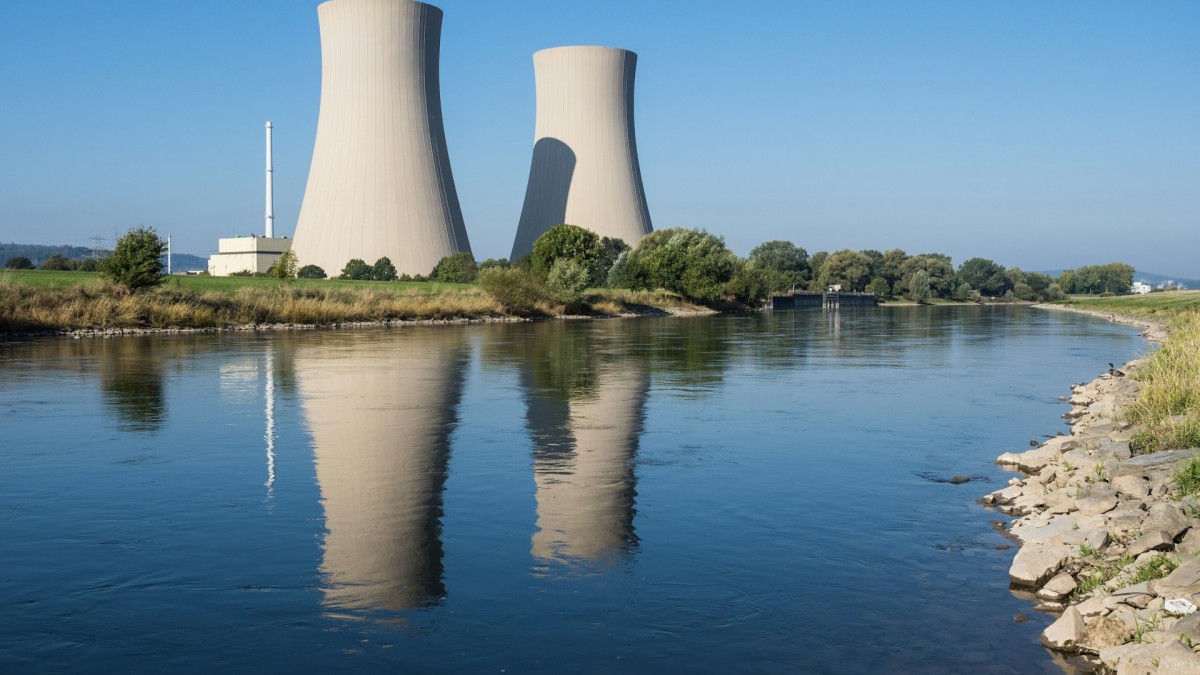
Europe is facing a significant nuclear power cooling crisis due to extreme heatwaves and record low river levels, impacting electricity generation and potentially leading to substantial economic losses. Nuclear power plants rely on rivers for cooling, and when water levels are low and temperatures high, operators must reduce output or shut down to comply with environmental regulations protecting aquatic life.

Several countries are already experiencing disruptions. In Romania, Nuclearelectrica was forced to disconnect a reactor from the grid due to low Danube levels, despite government efforts to mitigate the issue. Hungary's Paks plant, a major electricity provider, is operating with significantly reduced capacity. France, heavily reliant on nuclear power, has seen a portion of its nuclear fleet potentially taken offline, with up to 15% affected at one point.

Beyond direct operational impacts, the heatwaves are projected to have a considerable economic toll. A report by Triodos estimated that the adverse effects of Europe's summer heat could result in approximately $207.7 billion in economic losses, equivalent to about 1% of the EU's GDP, driven by factors like reduced labor productivity and constrained energy production.

Governments and energy operators are exploring various solutions, including building nuclear facilities closer to the sea, upgrading cooling systems, and scheduling maintenance during cooler periods. The crisis also highlights the broader challenge of energy diversification and the need to address climate change at its source, as emphasized by the International Energy Agency, which advocates for preventing new oil and gas investments and focusing on greater energy diversification.

Frequently asked questions

Nuclear power plants use large amounts of water for cooling. Low river levels mean less water is available, and higher water temperatures reduce the efficiency of cooling systems and can violate environmental regulations.

Romania, Hungary, and France have reported significant operational impacts on their nuclear power plants due to low river levels and high temperatures.

The crisis is expected to lead to substantial economic losses, estimated at around $207.7 billion for the EU, due to factors like reduced energy production, higher electricity prices, and lower labor productivity.

Potential solutions include building nuclear facilities near the sea, upgrading cooling systems, and scheduling maintenance around periods of extreme heat.

What Happens Next

01Governments are discussing and implementing solutions for nuclear plant cooling.
02Operators will continue to monitor river levels and temperatures closely.
03Further heatwaves or droughts could exacerbate the operational challenges for nuclear plants.
CME Headlines
  • Gold futures hit May highs as fiscal concerns offset yields.
    21 Aug · 9:05 PM
  • Gold futures hit May highs as fiscal concerns offset yields.
    21 Aug · 9:05 PM
  • RBOB Gasoline futures reach highest levels since June as volume rolls.
    21 Aug · 8:29 PM

How It Developed

Europe has experienced multiple heatwaves, leading to record temperatures and prolonged drought.
Low river levels are impacting nuclear power plant operations due to legal temperature limits for cooling water.
Romania's Nuclearelectrica disconnected a reactor due to low Danube levels, despite mitigation efforts.
Hungary's Paks power plant is operating with only one of four units due to low Danube levels.
France expected up to 15% of its nuclear portfolio offline in August due to heat.
EDF shut down three reactors at its Gravelines plant due to a jellyfish influx.
A Dutch bank report estimated potential EU economic losses of $207.7 billion due to heatwave effects.
Governments are exploring solutions like locating plants near the sea or upgrading cooling systems.

Sources

T1
Low Rivers, High Stakes: Europe's Nuclear Cooling CrisisOilPrice.com

Related Stories

Hungary's water crisis: Drought exposes legacy of draining wetlands
21 Aug · 5:16 AM
El Niño development prompts UK railway to prepare for extreme weather
21 Aug · 6:16 PM
Panama Canal to cut ship traffic due to El Niño drought
21 Aug · 6:56 AM
Mississippi River corn exports surge
21 Aug · 2:17 PM
Nigeria Eyes $50 Billion Offshore Oil and Gas Investment Boom
21 Aug · 10:51 AM