Key facts
- Venezuela's oil exports are limited to approximately 1.25 million barrels per day due to infrastructure issues.
- Tankers face waiting times of up to 30 days for loading at Venezuelan ports.
- Aging terminals, power outages, and crude quality problems are the primary causes of the bottleneck.
- Over 500,000 barrels per day of Venezuelan crude are currently being exported to the U.S.
- Traders Vitol and Trafigura have exported significant volumes of Venezuelan crude and fuel since January.
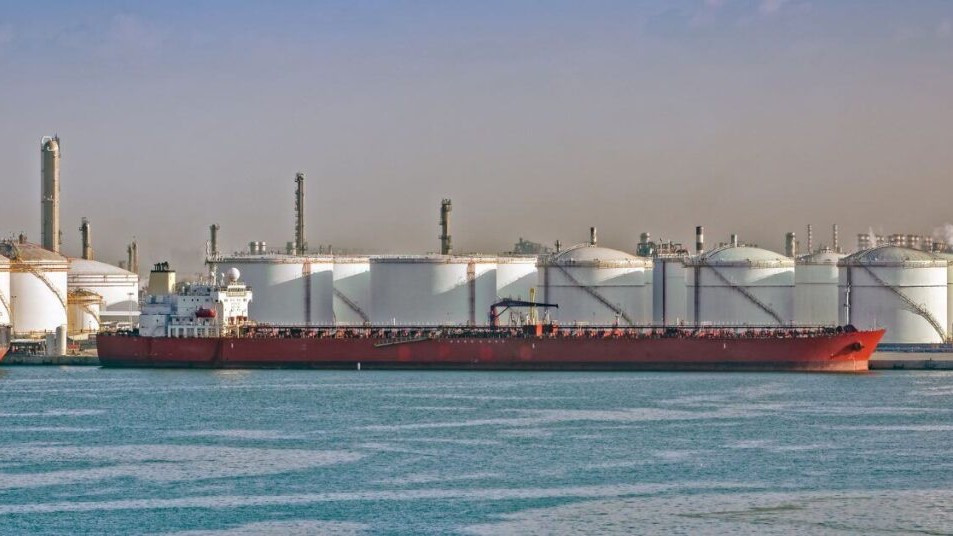
Venezuela's oil export capacity is being severely limited by aging and malfunctioning port infrastructure, creating a bottleneck that prevents the country from fully capitalizing on renewed demand for its crude. Tankers are facing wait times of up to 30 days to load, capping exports at around 1.25 million barrels per day despite increased production and strong buyer interest.
The issues at terminals, including the primary Jose export facility, stem from equipment failures, power outages, and quality control problems. Some docks remain occupied by older, sanctioned tankers that have been present for years. This situation is particularly inconvenient for the U.S., which has been encouraging Venezuela's oil production revival following the easing of sanctions.
Despite these constraints, over 500,000 barrels per day of Venezuelan crude are already being processed by U.S. refineries, with traders like Vitol and Trafigura having exported substantial volumes since January. However, securing additional shipping capacity is proving difficult, leading to demurrage charges for PDVSA. The problem could intensify as PDVSA's partners begin independent marketing under new contract terms, potentially exacerbating the strain on already limited export facilities.