Key facts
- Western firms Halliburton and TotalEnergies have signed new agreements to develop Venezuela's oil reserves.
- A US-backed deal grants North American Blue Energy Partners (NABEP) control over 65 billion barrels of crude oil.
- The NABEP concession is for 100 years, significantly longer than typical oil concessions.
- Venezuela's constitution requires National Assembly approval for long-term concessions, which this deal may lack.
- The legitimacy of the interim government that negotiated the NABEP deal is contested.
- Chevron has significantly increased its oil production in Venezuela and plans further expansion.
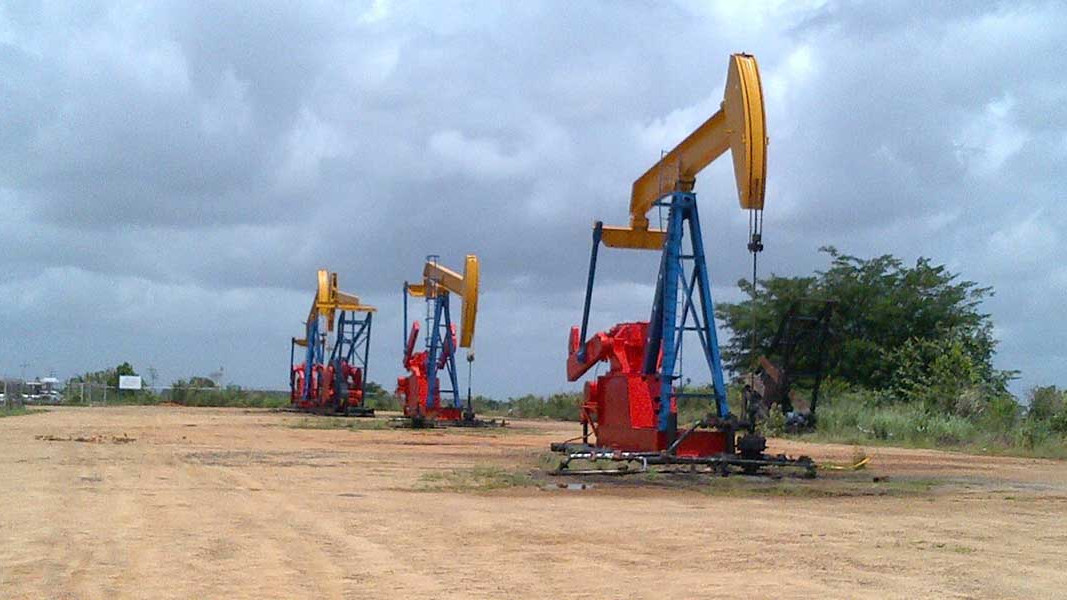
Western energy companies are increasing their engagement in Venezuela, seeking to tap the country's vast oil reserves as a potential replacement for supplies lost due to sanctions on Russia. Halliburton has signed memoranda of understanding with Eneva and WESCA to deploy its digital technologies for field evaluation and development planning. TotalEnergies has also entered into a new agreement with Venezuela's state oil company, PDVSA, reportedly including the Travi light crude oil field.
A significant development is a 100-year concession granted to North American Blue Energy Partners (NABEP) by the U.S. Departments of State and Defense, covering 65 billion barrels of proven crude oil reserves across 17 fields. This deal, characterized by U.S. President Donald Trump as "the biggest oil deal in world history," aims to reassert American pre-eminence in the Western Hemisphere and purge perceived malign foreign influence.
However, the long-term viability of the NABEP concession faces substantial legal hurdles. Venezuela's constitution mandates National Assembly approval for concessions of strategic national resources, a step that may not have been fully met by the interim government. Furthermore, the constitutional legitimacy of the interim administration itself is contested, raising the possibility that future governments could declare the agreement void. Venezuela's Supreme Tribunal of Justice also possesses the power to challenge or invalidate the concession based on constitutional prohibitions against transferring control of oil reserves to foreign powers.
Despite these legal uncertainties, major oil firms are expanding their presence. Chevron, for instance, has substantially increased its oil production in Venezuela and anticipates a further 50% rise by the end of 2028, reaching approximately 420,000 barrels per day. The company has also increased its stake in the Petroindependencia joint venture.