Key facts
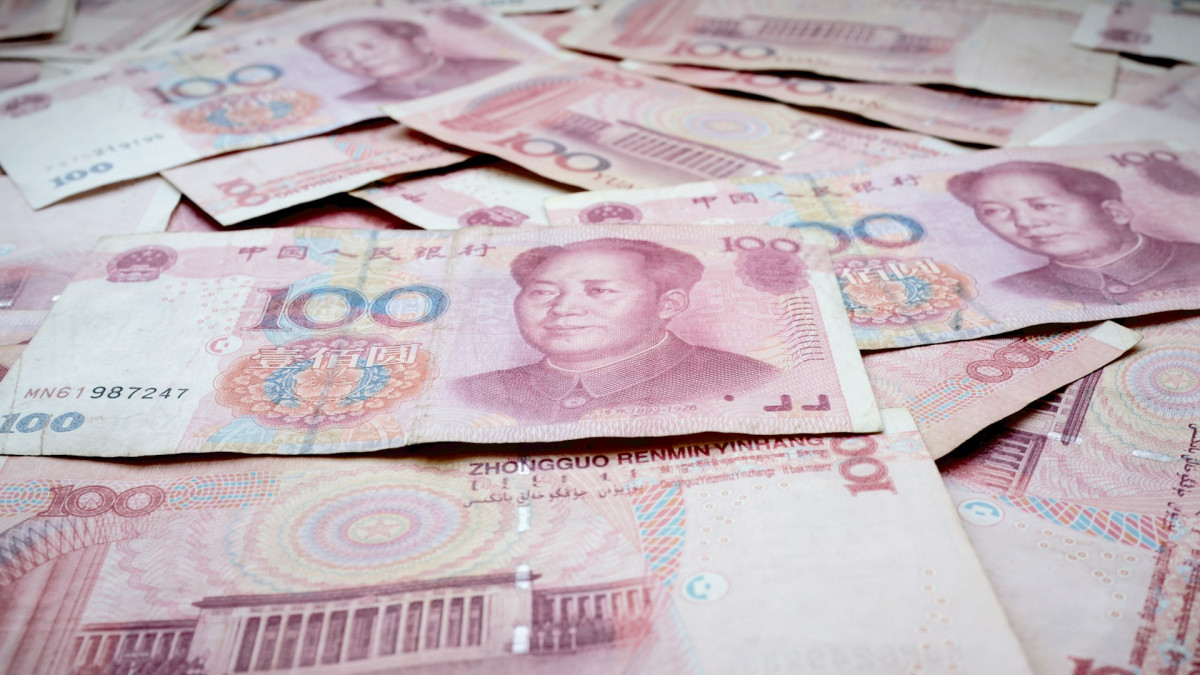
- QatarEnergy secured a $3 billion loan from Chinese banks.
- The loan has a five-year term.
- The funds will be used for general working capital.
- LNG exports are struggling due to issues in the Strait of Hormuz.
- QatarEnergy extended its force majeure on LNG deliveries through November.
- LNG flows are over 75% below pre-war levels.
State-owned QatarEnergy has secured a five-year loan totaling $3 billion from a group of Chinese banks, including Bank of China, Industrial and Commercial Bank of China Limited (ICBC), Agricultural Bank of China (ABC), and China Construction Bank (Asia). This financing comes as Qatar's liquefied natural gas (LNG) exports continue to face significant challenges in reaching international markets via the Strait of Hormuz.
Sources familiar with the agreement told Bloomberg on Wednesday that the loan is intended for general working capital. The funding from Chinese banks suggests continued support for Gulf companies despite global geopolitical tensions, such as the ongoing war, which has caused some investors to temporarily withdraw.
QatarEnergy recently extended its force majeure declaration on LNG deliveries to Asia and Europe for another month, through the end of November. This extension is a direct consequence of the ongoing blockage of LNG cargo traffic through the Strait of Hormuz, a critical chokepoint affected by the protracted U.S.-Iran stalemate. Six months after the conflict began, Qatar's LNG exports via the Strait of Hormuz have reportedly led to $24 billion in lost sales, with exports tumbling by as much as 96% as of August, according to Reuters calculations.
While LNG traffic through the Strait of Hormuz has shown some signs of recovery, with September transits rebounding, flows remain over 75% below pre-conflict levels. QatarEnergy's President and CEO, Saad Sherida Al-Kaabi, who also serves as Qatar’s Minister of State for Energy Affairs, stated last month that the company has decided against using pipelines as an alternative to the Strait of Hormuz, citing commercial and technical reasons.