Europe's nuclear power plants are facing operational challenges due to extreme heatwaves, forcing output reductions and price spikes. Experts suggest these are manageable constraints rather than technological failures, but adaptation to a changing climate is crucial for energy security and consumers.

Extreme heatwaves are stressing Europe's energy infrastructure, particularly nuclear power plants, leading to output reductions, price volatility, and concerns about energy security. Adapting power systems to a changing climate is becoming essential to prevent blackouts and ensure reliable electricity supply for consumers, especially given the critical role of air conditioning in preventing heat-r
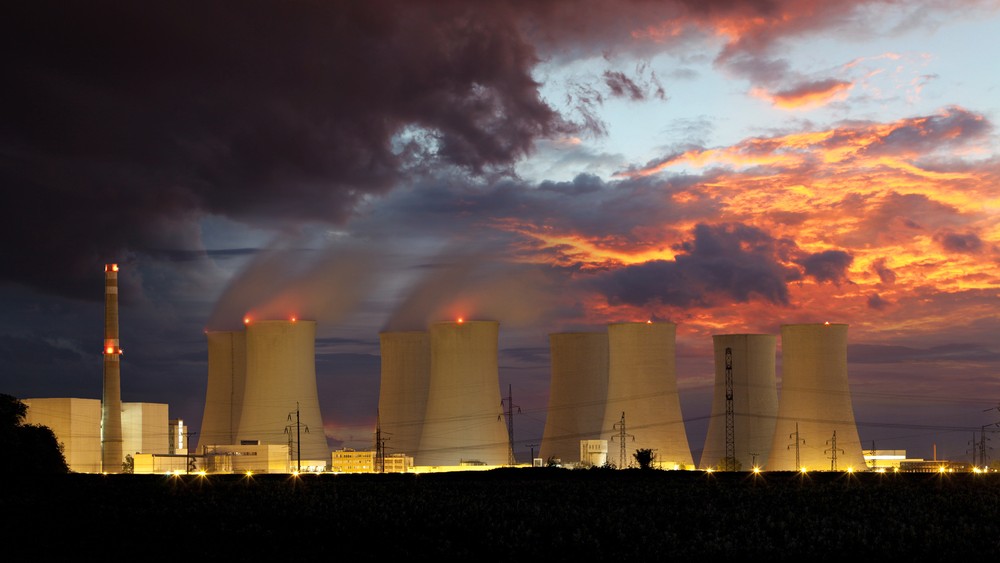
Europe's energy sector is under significant strain from extreme heatwaves, which are impacting the reliability of nuclear power generation. Many nuclear plants depend on rivers for cooling, and when water levels are low or temperatures are too high, operators are forced to reduce or halt output. This situation has led to price spikes and concerns about energy poverty for consumers, especially as heatwaves are expected to become more frequent and intense.
Hungary's Paks nuclear power plant recently had to reduce its output to just over 10%, narrowly avoiding a complete shutdown that would have significantly impacted the country's electricity supply. Similarly, France experienced record nuclear reactor shutdowns during its hottest day on record due to insufficient cooling water. These events have caused regional electricity prices to surge, reaching €500 per megawatt-hour.
However, some experts argue that these reductions highlight operational constraints rather than fundamental failures in nuclear technology. Grid operators, like France's RTE, have indicated that sufficient generation capacity was maintained even with reduced nuclear output, though it led to increased reliance on gas and oil-fired power and reduced exports. The situation underscores the need for utilities to adapt their models to account for climate change and geopolitical volatility.
Recommendations for adaptation include planning for summer peak demand, making cooling demand more flexible, reinforcing grids, deploying batteries and demand response systems, and climate-proofing power plant cooling infrastructure. The increasing frequency and intensity of heatwaves, coupled with the life-saving necessity of air conditioning, make these adaptations critical for energy security and consumer welfare.