Key facts
- The Vatican is constructing a renewable energy plant costing approximately €100 million.
- The plant will integrate solar power with agriculture (agrivoltaics).
- It is designed to achieve energy self-sufficiency for the Vatican City State within two years.
- The facility is projected to have a capacity of 80 to 90 megawatts.
- The project is located at the Vatican-owned Santa Maria di Galeria estate.
- Any surplus electricity generated will be supplied to Italy.
The Vatican is set to construct a significant renewable energy plant, estimated to cost around €100 million, with the goal of achieving energy self-sufficiency for the Holy See within two years. The project involves an agrivoltaic system, which combines solar power generation with agriculture, allowing crops to grow beneath elevated solar panels. This innovative approach is designed to reduce water evaporation and protect crops from extreme weather.
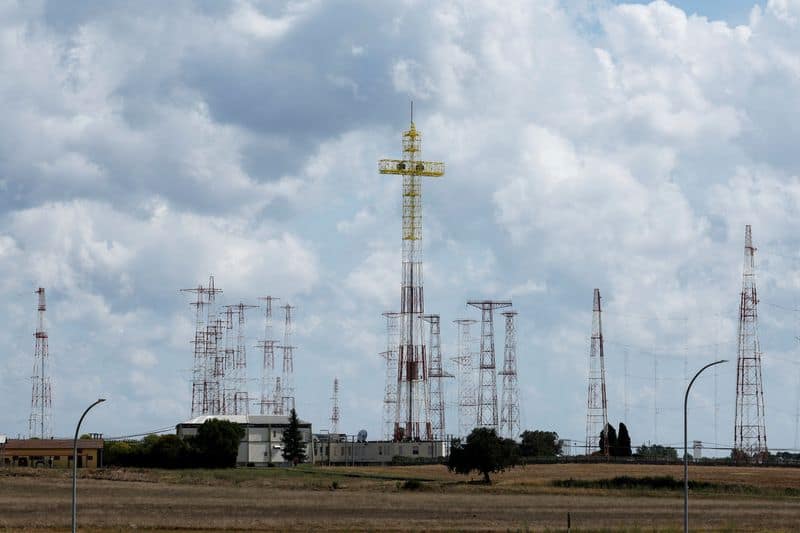
The proposed plant, located at the Vatican-owned Santa Maria di Galeria estate on Rome's outskirts, is expected to have a substantial capacity of 80 to 90 megawatts, positioning it as one of Italy's largest installations of its kind. A joint Italian-Vatican commission has met to initiate the project, which follows Italy's ratification of a bilateral agreement this year. Sources involved in the discussions indicate that the construction, including permitting and administrative processes, could take between 18 and 24 months to complete.
The generated power will primarily serve the Vatican Radio's transmission station and contribute to making Vatican City State fully energy independent. Additionally, the power may be utilized by other Holy See-linked properties, such as the Bambino Gesù hospital in Rome. While the Vatican will not receive the financial incentives available to Italian entities, any surplus electricity generated by the plant will be supplied to Italy's national grid. The solar panels are expected to cover approximately 200 hectares of the 450-hectare Santa Maria di Galeria site.
This initiative was a priority for the late Pope Francis, who acknowledged the scientific consensus on climate change, and has received endorsement from Pope Leo XIV. The bilateral agreement between Italy and Vatican City grants the agrivoltaic project special status, similar to that of Vatican Radio facilities, including exemptions from certain Italian taxes and public charges. Italy's ratification law stipulates that the agreement's implementation should not impose additional burdens on public finances. Contracts for the construction work are expected to be tendered in the coming weeks. Notably, in 2008, German companies SolarWorld and SMA Solar Technology donated photovoltaic panels and equipment for an installation on the Nervi Hall.