Key facts
- Indonesia launched 14 solar power plant projects as part of its 100 GW solar program.
- The 14 projects have a combined capacity of 5.3 GWp and are in various development stages.
- The goal is to achieve 100 GW of solar power within three years to diversify energy sources.
- The initiative aims to replace diesel-fired generation, saving an estimated 73.9 trillion rupiah ($4.2 billion) annually in subsidies.
- The program is projected to save up to 6 million kiloliters of diesel consumption and reduce carbon emissions by 140.16 million tons per year.
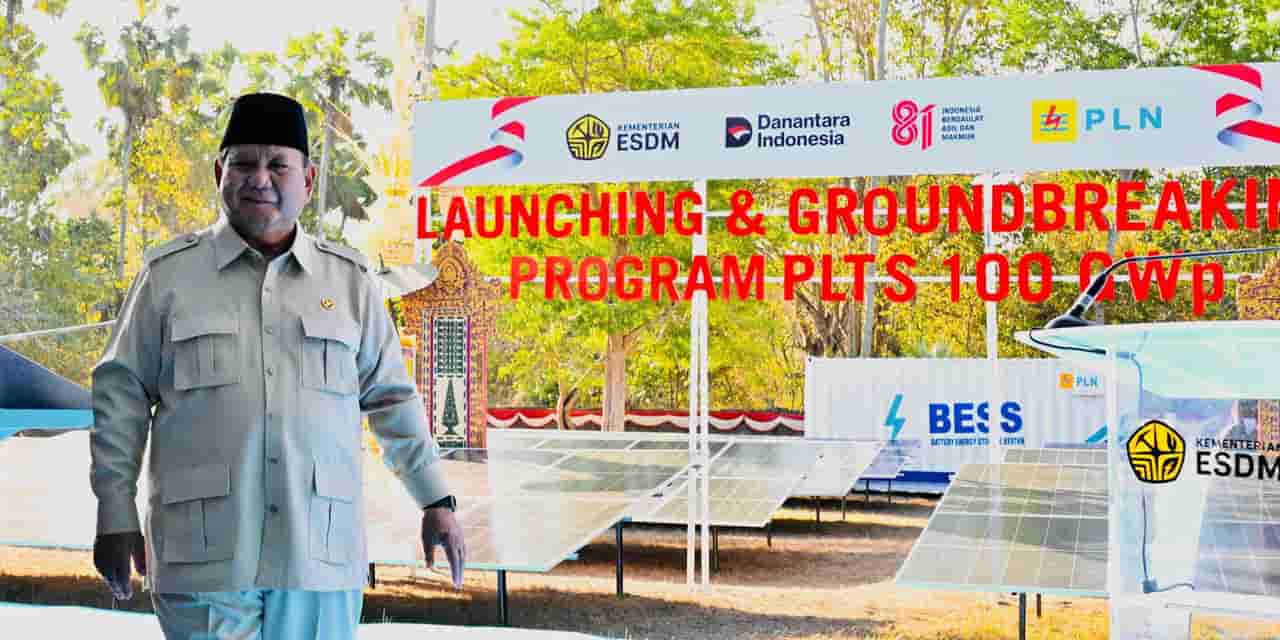
Indonesian President Prabowo Subianto officially launched the nation's 100 GW solar power program on August 25, inaugurating 14 solar power plant projects across multiple provinces. These projects, in various stages of development, collectively add 5.3 GWp to the grid. The ambitious initiative aims to diversify Indonesia's energy sources and reduce its reliance on fossil fuels, with a target to achieve the 100 GW solar capacity within three years. President Subianto also stated that state-owned utility PLN must phase out approximately 13 GW of diesel power generation by the end of 2026. The program is expected to yield significant financial and environmental benefits, including annual state budget subsidy savings of 73.9 trillion rupiah ($4.2 billion) by replacing diesel generation, saving up to 6 million kiloliters of diesel annually, and reducing carbon emissions by 140.16 million tons per year.