Key facts
- Fukushima Daiichi nuclear plant has released 170,000 metric tons of treated water into the ocean over three years.
- The total volume of stored treated water at the plant has decreased by only 7% since releases began.
- Rainwater and groundwater continue to contaminate reactor buildings, generating new volumes of water.
- TEPCO has significantly reduced the daily generation of contaminated water.
- Large-scale removal of fuel debris from reactors is now expected to start in fiscal year 2037 or later.
- The 2051 decommissioning target for the plant is in doubt due to these delays.
Three years after Tokyo Electric Power Company Holdings Inc. (TEPCO) began discharging treated water from the Fukushima Daiichi nuclear plant into the ocean, the stored volume has decreased by only 7%. Despite releasing approximately 170,000 metric tons of water, the plant continues to generate new contaminated water as rainwater and groundwater seep into reactor buildings, hindering progress toward the 2051 decommissioning target.
TEPCO has reduced the daily generation of contaminated water to about 60 tons, a significant decrease from previous levels. However, as long as melted nuclear fuel, or fuel debris, remains in the reactors, the generation of contaminated water cannot be eliminated. The company disclosed last year that large-scale removal of this fuel debris, originally planned for the early 2030s, is now delayed until fiscal year 2037 or later.
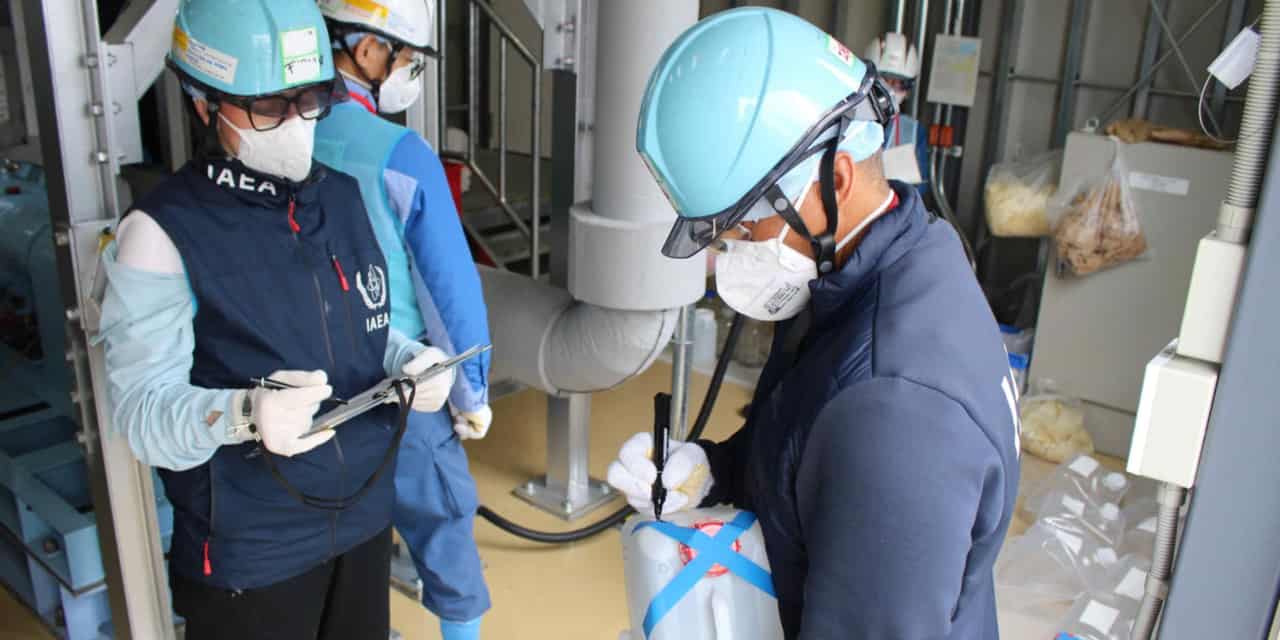
International Atomic Energy Agency (IAEA) inspectors have confirmed the safety of the water being released, noting that tritium concentrations remain well below TEPCO's release standards. The highest tritium concentration detected near the plant was 61 becquerels per liter, less than one-tenth of the 700 becquerels per liter threshold for halting releases.
Experts, including former Atomic Energy Society of Japan decommissioning committee chair Hiroshi Miyano, question the feasibility of the 2051 deadline. Miyano stated that while the treated water itself is not dangerous and discharges should proceed under safety management, the continued generation of treated water due to the presence of fuel debris makes the target date debatable. He emphasized the need for TEPCO to regularly inform the public about the responsible execution of decommissioning and water release efforts.