Key facts
- Central Romana, a Dominican sugar producer, is accused of continuing abusive labor practices and violating workers' rights.
- The U.S. had previously blocked sugar imports from Central Romana in 2022 due to forced labor conditions.
- The import ban was lifted shortly after President Trump took office in 2025, allowing sugar exports to resume.
- A report by the Corporate Accountability Lab details issues including poverty wages, excessive overtime, and intimidation of workers, many of Haitian descent.
- Senator Ron Wyden is investigating the circumstances under which the import ban was reversed and has requested CBP records.
Senator Ron Wyden is scrutinizing U.S. Customs and Border Protection's decision to allow sugar imports from Central Romana, a Dominican producer owned by a major donor to President Trump, despite ongoing allegations of forced labor and abusive worker conditions. A report by the Corporate Accountability Lab detailed issues such as poverty wages, excessive overtime, intimidation, and withheld wages for workers at the company's plantations, many of whom are of Haitian descent.
The United States had previously blocked Central Romana's sugar imports in 2022 due to these labor violations. However, shortly after President Trump took office in 2025, the import ban was reversed. Wyden, the top Democrat on the Senate Finance Committee, has written to CBP Commissioner Rodney Scott, seeking records related to the modification of the 2022 Withhold Release Order. He argued that circumventing trade enforcement processes for politically connected corporations undermines U.S. trade policy and disadvantages law-abiding American businesses while facilitating human rights abuses abroad.
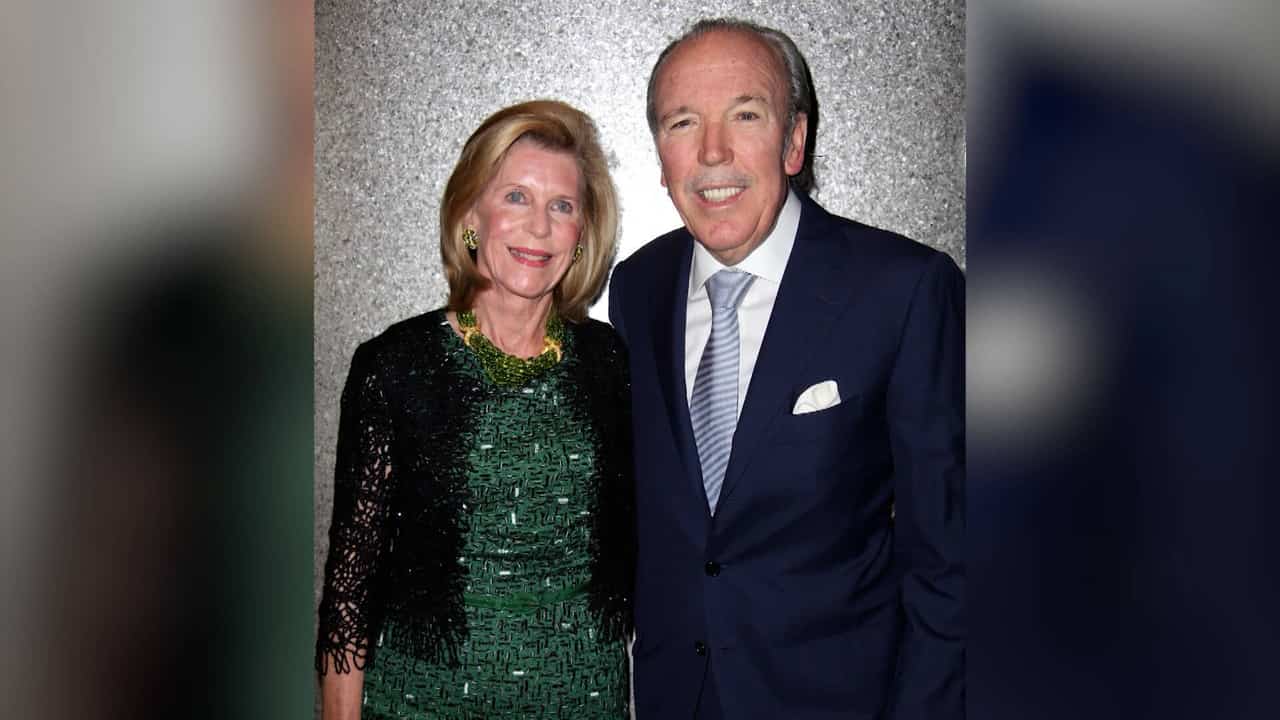
José Francisco “Pepe” Fanjul, the owner of Central Romana, has reportedly donated over $1 million to Trump and the Republican party and hosted a fundraiser that generated more than $50 million for Trump. Wyden's inquiry highlights concerns that political connections may have influenced trade enforcement decisions, particularly in light of the administration's imposition of tariffs on other countries for failing to enforce similar import bans on forced labor goods.