Key facts
- TotalEnergies is investing in two oil pipelines to bypass the Strait of Hormuz.
- One pipeline will be in the UAE, and another will connect Iraq to Syria.
- Shipping rates for vessels transiting the Strait of Hormuz have significantly increased.
- China's major shipping companies are avoiding the Strait of Hormuz and Bab el-Mandeb.
- US diesel cracks have reached an all-time high of $102 per barrel.
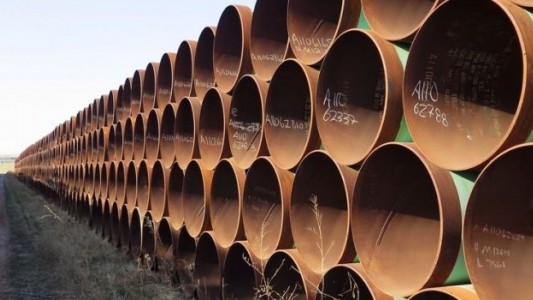
TotalEnergies is set to invest in two significant oil pipeline projects aimed at circumventing the Strait of Hormuz, a critical global oil chokepoint. One project will enhance the Fujairah export route capacity in the UAE, while the other is a planned pipeline connecting Iraq to Syria. This strategic move occurs amidst escalating geopolitical tensions in the region, which have led to a dramatic increase in shipping rates for vessels transiting the Strait of Hormuz.
Rates for Very Large Crude Carriers (VLCCs) on Middle East-to-China voyages have surged, with daily earnings reportedly exceeding $500,000. Fixing costs for cargoes within Hormuz have also spiked to approximately $31 million per voyage. In response to these conditions and potential disruptions, major Chinese shipping companies like COSCO and CMES have ceased entering the Strait of Hormuz and Bab el-Mandeb, opting instead to collect Gulf barrels from Fujairah and Oman via ship-to-ship transfers. Saudi Arabia is also privately offering crude cargoes through similar transfer methods.
The geopolitical backdrop includes Iran's threat of an "fully offensive" posture following the lapse of a US Memorandum of Understanding, and assertive Houthi attacks in the Bab el-Mandeb Strait. US President Trump has issued warnings to Oman regarding negotiations with Iran, while the US Energy Secretary is exploring measures to increase refinery throughput amid high gasoline prices. The US diesel crack has reached an all-time high of $102 per barrel, with distillate inventories at their lowest seasonal level since 1996.
Beyond the immediate Hormuz concerns, other energy developments include Chevron's oil discovery offshore Angola, Shell losing litigation over exploration rights in South Africa, and Targa Resources building new natural gas processing plants in the Permian Delaware basin. Equinor has boosted its gas-fired power generation portfolio by acquiring a Pennsylvania power plant. Canada's West Coast Pipeline project is gaining producer backing, and Beijing is planning to expand its natural gas import capacity. Meanwhile, navigation on Germany's River Rhine has been halted due to record low water levels, and Saudi Aramco's Jizan refinery has again come under drone attack.