Key facts
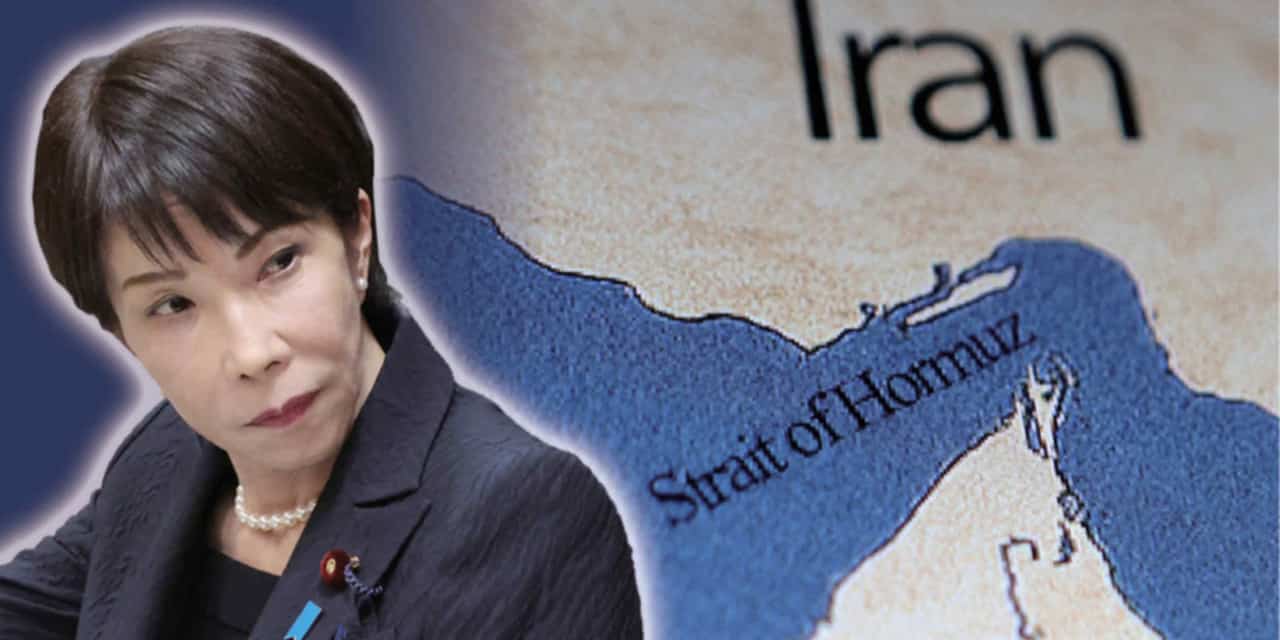
- Japan will support the construction of oil pipelines in the Middle East that bypass the Strait of Hormuz.
- The strategy aims to enhance Japan's energy security and reduce reliance on Middle Eastern oil.
- The UAE and Saudi Arabia are expanding their pipeline infrastructure to avoid the Strait of Hormuz.
- Japan's oil industry, through the Petroleum Association of Japan, is exploring support for these projects.
- The plan also includes efforts to reduce Japan's overall reliance on oil and gas.
Japan is set to announce a new energy import diversification plan that includes support for building oil pipelines in the Middle East to bypass the Strait of Hormuz. This initiative aims to bolster the nation's energy security by creating alternative routes for oil imports, reducing reliance on the strategically sensitive waterway. The plan also seeks to decrease Japan's overall dependence on oil and gas, particularly from the Middle East. Energy companies will be expected to share the increased costs associated with importing crude from alternative sources. Previously, Japan relied heavily on Middle Eastern oil, but has since secured suppliers from the United States, Canada, Africa, and Azerbaijan. However, this diversification has come at a significant cost, with Japan's import bill reaching a record $76.39 billion last month due to high international oil prices. The United Arab Emirates and Saudi Arabia are already expanding their pipeline infrastructure to circumvent the Strait of Hormuz, and Japan's government and its petroleum industry, represented by the Petroleum Association of Japan, are exploring ways to support these projects.