Key facts
- Japan's average wholesale electricity prices are forecast to jump nearly 40% year-over-year in the second half of 2026.
- The surge is attributed to higher liquefied natural gas (LNG) prices driven by Middle East turmoil.
- Spot LNG prices for northeast Asia have doubled to approximately $22/MMBtu.
- LNG shipments through the Strait of Hormuz are halted following an Iranian attack on a Qatari tanker.
- Japan's nationwide day-ahead electricity price reached its highest level since January 2023 at ¥25.18/kWh.
- LNG accounts for roughly 30% of Japan's total power generation.
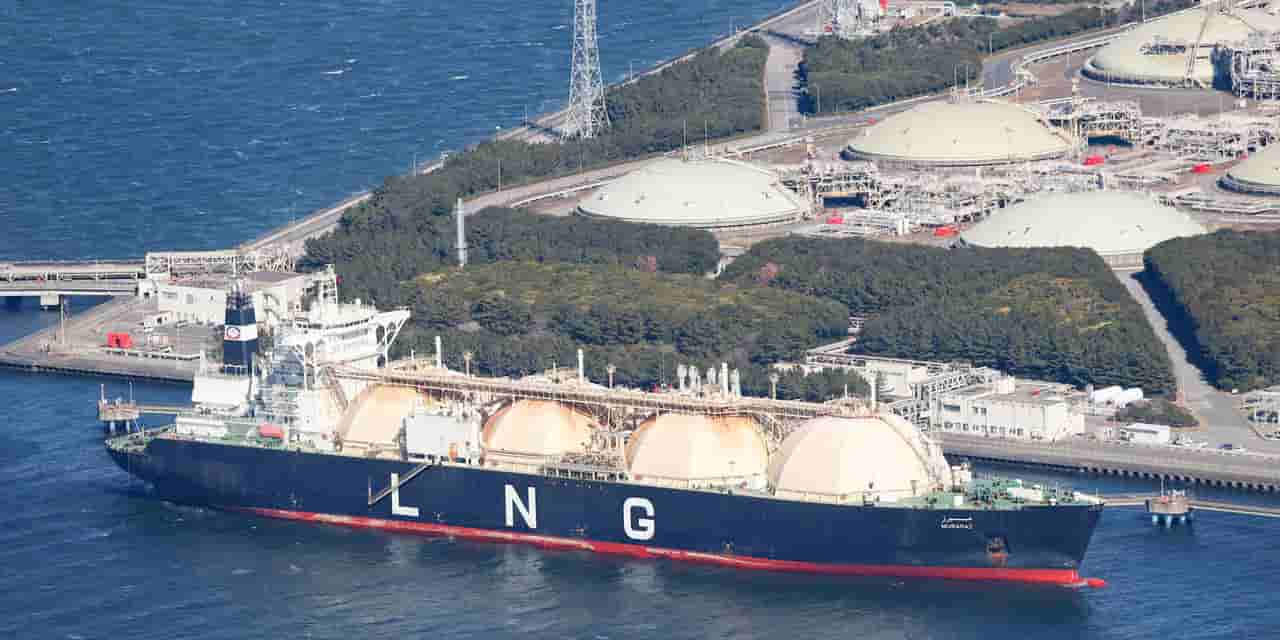
Japan's wholesale electricity prices are projected to surge by nearly 40% in the latter half of 2026, driven by escalating liquefied natural gas (LNG) costs exacerbated by geopolitical tensions in the Middle East. The ongoing blockade of the Strait of Hormuz has significantly impacted LNG supply, with spot prices for Northeast Asia reaching approximately $22/MMBtu, more than double pre-conflict levels. This situation has pushed Japan's nationwide day-ahead electricity price to ¥25.18/kWh, its highest since January 2023.
The reliance on imported LNG, which constitutes about 30% of Japan's power generation, makes the country particularly vulnerable to supply disruptions. QatarEnergy declared force majeure on its LNG supplies in March 2026, and industry executives have indicated a lack of immediate capacity to fill the resulting supply gap. In response, Japan and other Asian economies are increasing their use of coal, potentially reversing some energy transition efforts.
The Bank of Japan faces a challenging economic environment, with commodity-driven inflation potentially leading to stagflation. Aggressively raising interest rates to combat inflation and support the yen could destabilize Japanese Government Bonds (JGBs), a market the central bank has long managed. This economic bind, coupled with a weakening yen, may encourage Japanese investors to seek assets outside the traditional fiat system.