Key facts
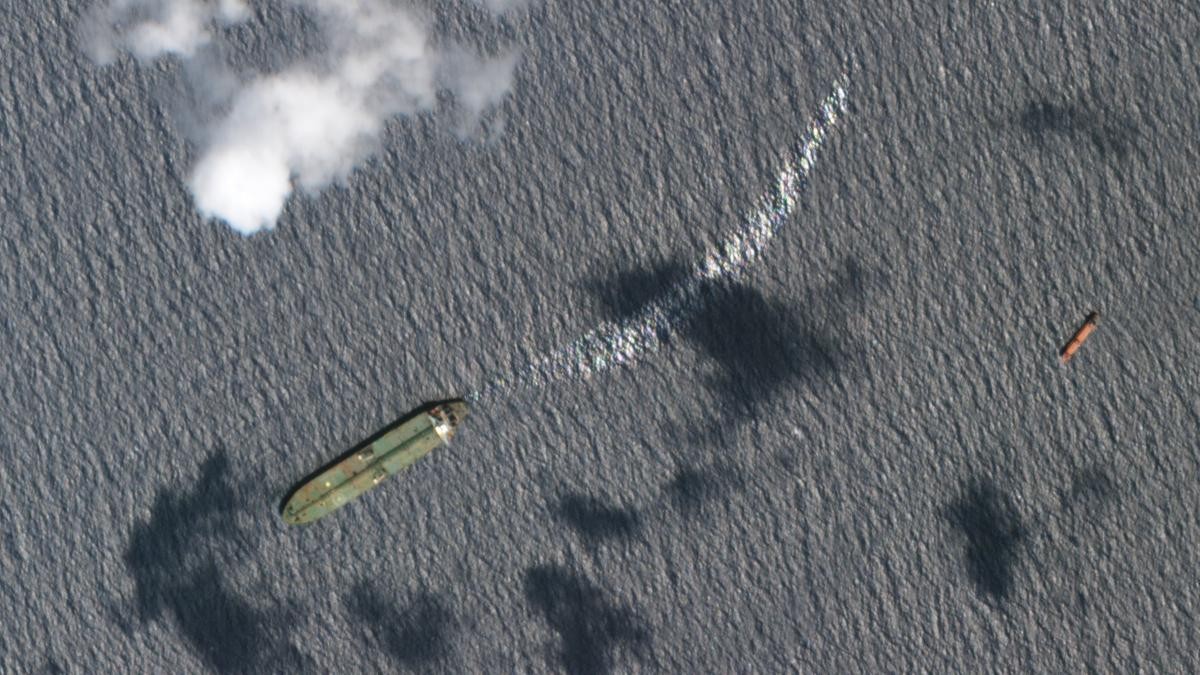
- Seven crude carriers were observed loading Iraqi oil at Persian Gulf export facilities on August 24.
- The combined carrying capacity of the seven tankers was approximately 13 million barrels.
- This level of activity is a notable increase from recent weeks, which typically saw only one or two tankers.
- Iraqi exports are still below pre-war levels, and barrels must still pass through the Strait of Hormuz.
- Iran's crude exports have fallen significantly, with August loadings around 300,000 bpd compared to a 2025 average of 1.7 million bpd.
Seven crude carriers were observed loading Iraqi oil at the country's Persian Gulf export facilities on August 24, a significant increase from the typical one or two tankers seen in recent weeks, according to satellite imagery analyzed by Bloomberg. TankerTrackers.com separately confirmed the loading of approximately 13 million barrels at Iraq's Al Basrah Oil Terminal on Monday.
This surge in activity marks a departure from the sparse export levels seen in the preceding weeks, though it does not signify a full return to pre-war export norms. The barrels still must navigate the Strait of Hormuz, and regional oil flows remain below pre-war averages. Iran's own crude exports have been particularly affected, with August loadings estimated at around 300,000 barrels per day, a sharp decline from its 2025 average of approximately 1.7 million barrels per day.
Despite these challenges, Iraq has demonstrated more success in maintaining its export volumes, reporting around 2 million barrels per day earlier this month. Chinese refiners have been actively acquiring Iraqi Basrah Medium and Basrah Heavy crude as supplies from other Gulf producers tighten. While the presence of seven tankers does not definitively indicate an easing of the broader Gulf oil crisis, it provides evidence of Iraq's efforts to increase its crude shipments.