Key facts
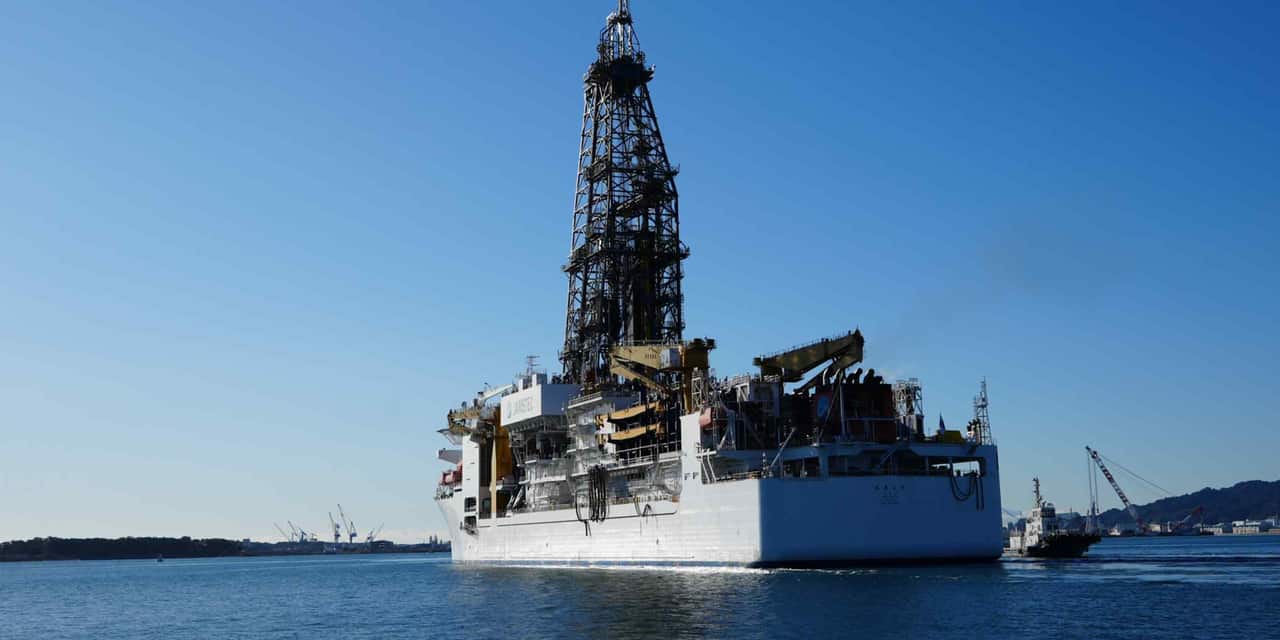
- Japan has successfully extracted rare earth deposits from the seabed at depths of nearly 5,600 meters.
- The clay-like sludge pumped from the abyssal depths surrounding Minamitorishima is rich in medium and heavy rare earth elements.
- Japan plans to revamp a program that funds technology development tied to economic security.
- The revamped program will support long-term efforts toward rare-earth mining on the seafloor.
- The initiative aims to reduce Japan's dependency on China for critical minerals.
Japan is set to overhaul a program designed to fund technology development crucial for economic security, with a specific focus on supporting long-term efforts in deep-sea rare earth mining. This strategic shift aims to decrease Japan's reliance on China, which currently dominates the global supply of these vital minerals.
Recent successful missions have bolstered optimism, including a world-first extraction of rare earth deposits from the seabed at depths approaching 6,000 meters near Minamitorishima, Japan's easternmost island. The extracted sediment is notably rich in medium and heavy rare earth elements, which are critical for advanced technologies, including electronics, electric vehicle motors, wind turbines, and military applications like jet fighters and rocket engines.
Under Japan's Cross-ministerial Strategic Innovation Promotion Program (SIP), research has been ongoing for over a decade. The project has progressed through multiple phases, focusing on exploring and developing technology for tapping deep-sea resources. Despite the promising extraction results, significant technical hurdles remain for commercializing deep-sea mining.
China's near-monopoly extends to both the mining and refining of rare earth elements. The country has previously imposed export controls on certain heavy rare earths, highlighting the strategic importance of these materials and the global push for diversified supply chains.