All NewsEducationTV
Equities & FundsCrypto & Digital AssetsAI & TechnologyBusiness & CorporateUS Politics & PolicyGeopolitics & Global RiskMacro, Rates & FXCommodities & EnergyEuropean Politics & MarketsAsia-PacificReal Estate & Property
All NewsHome
← Back to Commodities & Energy

Indonesia scales back commodity export centralisation plan amid industry concerns

Created at 25 Aug · 7:26 AM1 source↑ Market-relevant
IN SHORT

Indonesia is retreating from a plan to centralize exports of coal, palm oil, and nickel through a state-linked entity. Instead, the government will implement tighter monitoring and a transparent pricing methodology to prevent under-invoicing and tax evasion.

Key Numbers

$70bnIndonesia's annual coal, palm oil, and nickel exports

Who's Involved

Danantara Sumberdaya
State entity overseeing Indonesia's commodity exports
Luke Mahony
CEO of Danantara Sumberdaya Indonesia
President Subianto Prabowo
Unveiled plans for centralized commodity exports
Indonesia scales back commodity export centralisation plan amid industry concerns

↳ Why This Matters

The shift away from full centralization and towards tighter monitoring aims to balance the government's revenue goals with the need for smooth trade operations, potentially easing concerns about market disruption and ensuring the continued flow of vital commodity exports.

Key facts

  • Indonesia has scaled back a plan to centralize exports of strategic commodities like coal, palm oil, and nickel.
  • The government will implement tighter monitoring and a transparent pricing methodology for these exports.
  • The shift aims to prevent exporters from understating shipment values and evading taxes.
  • The original proposal involved channeling overseas sales through a state-linked entity, which raised market disruption concerns.
  • The new approach focuses on ensuring export prices align with prevailing market rates.

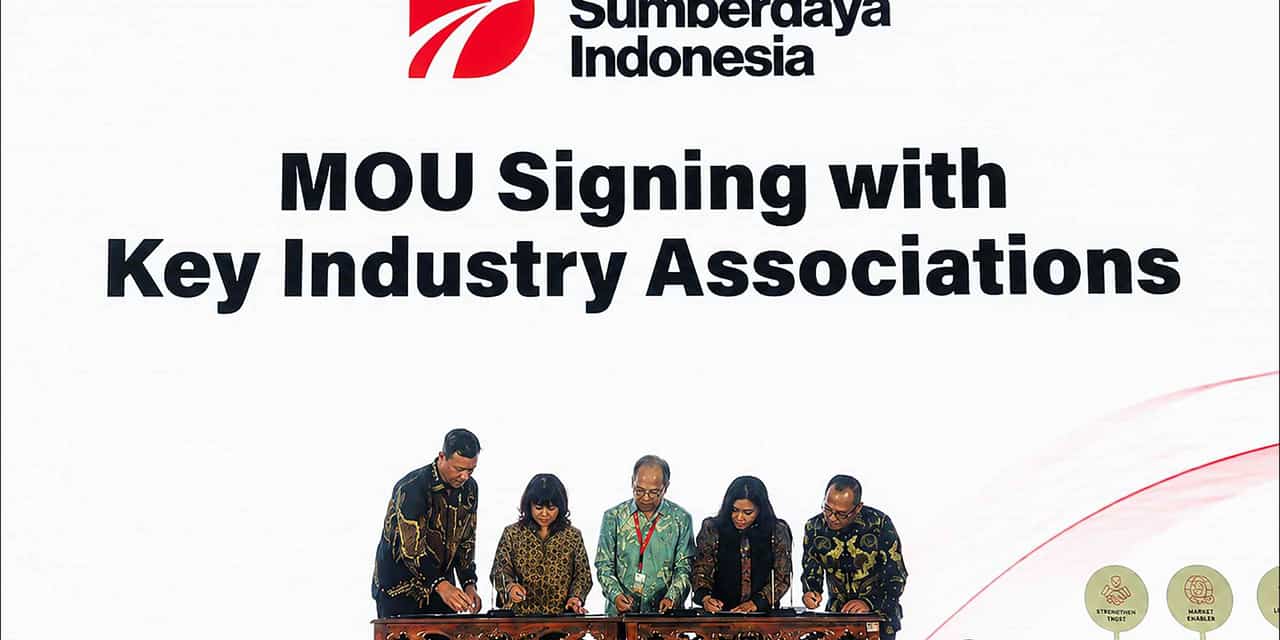
Indonesia has formally launched Danantara Sumberdaya, a state entity tasked with overseeing and managing exports of coal, palm oil, and ferroalloy, nearly three months after it began operations. This move has generated confusion among industry players regarding the extent of state control over these key commodities.

Centralizing export controls, while straightforward in theory, presents practical challenges. Without seamless administrative infrastructure, port officials, customs agencies, and exporters are left to interpret vague mandates, leading to operational friction, delayed shipments, and compliance issues. The success of this centralization drive hinges on the speed at which line agencies issue clear, standardized clearing protocols.

Following concerns raised by buyers and exporters about potential market disruption and tighter export control, Indonesia is scaling back its controversial proposal. Instead of channeling overseas sales through a state-linked entity, the authorities will impose tighter monitoring on exports. This includes establishing a transparent pricing methodology to ensure export prices align with prevailing market rates and prevent under-invoicing, a practice used to evade taxes and shift profits offshore. Some analysts view this as a government U-turn.

Frequently asked questions

Danantara Sumberdaya is a state-linked entity established by Indonesia to oversee and manage the export of key commodities like coal, palm oil, and ferroalloy.

The government aims to recover revenue by preventing exporters from understating shipment values and evading taxes, while also addressing concerns about market disruption.

Industry players are concerned about operational friction, delayed shipments, compliance paralysis due to vague mandates, and the potential for tighter export controls to disrupt trade.

What Happens Next

01Line agencies to issue clear, standardized clearing protocols.
02Exporters to adhere to a transparent pricing methodology for commodity sales.
CME Headlines
  • WTI Crude Oil futures slip to 85 as Middle East tensions persist.
    24 Aug · 8:24 PM
  • WTI Crude Oil futures slip to 85 as Middle East tensions persist.
    24 Aug · 8:24 PM
  • Feeder Cattle futures led livestock sell-off on import news.
    24 Aug · 7:45 PM

How It Developed

Indonesia launched Danantara Sumberdaya to oversee exports of coal, palm oil, and ferroalloy.
Industry players expressed confusion and concern over the potential impact of increased state control on commodity trade.
Concerns were raised about operational friction, delayed shipments, and compliance paralysis due to vague mandates.
Indonesia is scaling back the proposal to centralize exports after buyers and exporters voiced concerns.
The government will instead impose tighter monitoring on exports to prevent under-invoicing and tax evasion.
A transparent pricing methodology will be established to ensure export prices align with prevailing market rates.

Sources

T1
Indonesia's commodity export 'intermediary' continues to sow confusionNikkei Asia
T2
Chasing billions: Indonesia's commodity export crackdown sows confusionscmp.com
T2
Indonesia to scale back commodity export centralisationstraitstimes.com
T2
Indonesia's commodity export crackdown sows confusion - ASEAN Risingaseanrising.com

Related Stories

Indonesia plans 1,000-ton premium rice export to Malaysia
24 Aug · 3:46 PM
Indonesia's toxic haze crisis: Can land-burners be held accountable?
25 Aug · 6:06 AM
Indonesia chokes on haze as fires intensify amid super El Niño
25 Aug · 4:26 AM
Egypt's NCIC launches fertilizer sales tender
24 Aug · 10:15 AM
India Lifts Export Restrictions on Wheat and Flour
24 Aug · 2:26 PM