All NewsEducationTV
Equities & FundsCrypto & Digital AssetsAI & TechnologyBusiness & CorporateUS Politics & PolicyGeopolitics & Global RiskMacro, Rates & FXCommodities & EnergyEuropean Politics & MarketsAsia-PacificReal Estate & Property
All NewsHome
← Back to Commodities & Energy

US Army Buys Low-Cost Interceptors Amid Iran War Drone Swarms

Created at 23 Aug · 9:11 AM1 source↑ Market-relevant
IN SHORT

The U.S. Army is rapidly procuring low-cost interceptor drones, like the Merops from Perennial Autonomy, to counter Iran's extensive drone attacks. This move aims to address the unsustainable cost of using expensive Patriot missiles against cheaper Iranian drones, with the Army seeking scalable, government-owned pathways for future procurement.

Key Numbers

$30,000-$50,000cost of Iranian Shahed loitering munitions
$5.3 millioncost per Patriot PAC-3 interceptor shot
2,000drones fired by Iran in the first week
13,000Merops interceptor drones purchased by the Army
$15,000cost per Merops interceptor drone
3-footMerops drone wingspan
2-kilogramMerops drone warhead weight
$1 millioncost ceiling for complete LCI all-up round
$250,000preferred component cost for LCI
$100,000price point for X-Bow's Buckler interceptor
300THAAD interceptors used by the US
1,430Patriot interceptors used by the US
92Patriot system deliveries in FY2026
172THAAD system deliveries in FY2026

Who's Involved

Powerus
Florida-based start-up developing low-cost counterdrone technology
U.S. Army
Purchasing low-cost interceptors to counter drone swarms
Iran
Initiated drone attacks in the Iran war
Eric Schmidt
Former Google CEO and founder of Perennial Autonomy
Perennial Autonomy
California defense startup that launched Merops interceptor drones
Dan Driscoll
Army Secretary challenging companies to develop cheaper interceptors
X-Bow Systems
New Mexico-based start-up that unveiled the Buckler interceptor
Lockheed Martin
Partnered with X-Bow as a supplier of solid rocket motors
US Army Buys Low-Cost Interceptors Amid Iran War Drone Swarms

↳ Why This Matters

The high cost of current missile defense systems against cheaper drone swarms poses a significant financial and strategic challenge for the U.S. military, necessitating the rapid development and procurement of more affordable alternatives to sustain prolonged conflicts.

Key facts

  • The U.S. Army is purchasing low-cost interceptor drones to counter Iran's extensive drone attacks during the ongoing conflict.
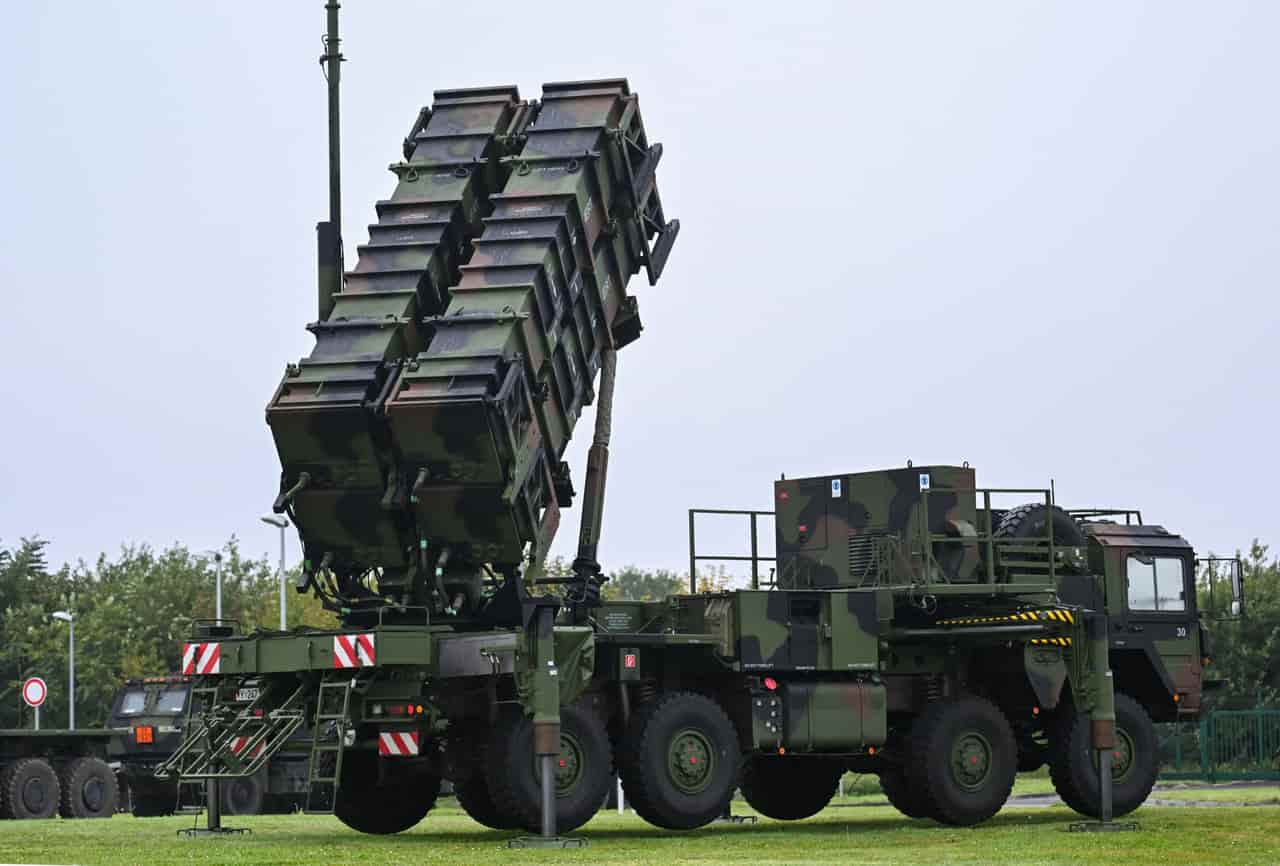
  • Expensive Patriot PAC-3 interceptors are being used against significantly cheaper Iranian drones, creating an unsustainable cost dynamic.
  • Perennial Autonomy's Merops drone, costing $15,000, is being acquired by the Army, having previously intercepted thousands of drones in Ukraine.
  • The Army's Low-Cost Interceptor program aims to create a scalable, government-owned supply chain for interceptors, decomposing it into competed subsegments.
  • X-Bow Systems has introduced its Buckler interceptor, priced under $100,000, designed for drone threats and other aerial targets.

The U.S. Army is facing a critical challenge in the ongoing Iran war due to the high cost of intercepting Iranian drone swarms. The conflict, which began on February 28, 2026, has seen Iran deploy nearly 2,000 drones, forcing the Army to expend expensive Patriot PAC-3 interceptors, priced at approximately $5.3 million each, against drones costing as little as $30,000 to $50,000.

This cost disparity presents an unsustainable financial burden on defense budgets. In response to the immediate threat, the Army purchased 13,000 Merops low-cost interceptor drones from Perennial Autonomy, a startup founded by former Google CEO Eric Schmidt, at roughly $15,000 per unit. The Merops drone is a three-foot fixed-wing unmanned aerial vehicle equipped with a fragmentation warhead and guided by various sensors.

To address the structural issue of procuring interceptors at scale, the Army has launched the Low-Cost Interceptor (LCI) program. This initiative deviates from traditional defense acquisition models by decomposing the supply chain into separately competed subsegments, including solid rocket motors, seekers, and guidance systems. The Army will own the intellectual property for each component, enabling greater flexibility and competition. The goal is to produce a complete interceptor for under $1 million, with a preference for component costs below $250,000.

Meanwhile, New Mexico-based X-Bow Systems has introduced its Buckler interceptor, designed to engage Group 3 drones at supersonic speeds for under $100,000. X-Bow is vertically integrating its manufacturing process for solid rocket motors and airframes to address industrial-base bottlenecks. Lockheed Martin has also partnered with X-Bow as an independent supplier for its programs. The demand for such low-cost interceptors is high, with the U.S. having depleted significant numbers of Patriot and THAAD interceptors, and the Air Force actively soliciting proposals for similar systems.

Frequently asked questions

The Army is facing an unsustainable cost imbalance by using expensive interceptors, like the Patriot PAC-3, to counter significantly cheaper Iranian drones.

The Merops is a three-foot fixed-wing drone developed by Perennial Autonomy, equipped with a fragmentation warhead and guided by RF, radar, or thermal sensors, costing approximately $15,000.

The program aims to create a scalable, government-owned pathway to procure low-cost kinetic interceptors by decomposing the supply chain and owning intellectual property.

X-Bow Systems has unveiled the Buckler interceptor, designed to down drones at supersonic speeds for under $100,000, with integrated manufacturing of its components.

What Happens Next

01The Army plans to demonstrate LCI components within six months and procure them within a year.
02The Air Force will evaluate proposals for its low-cost ground-based interceptor solicitation.
CME Headlines
  • Gold futures hit May highs as fiscal concerns offset yields.
    21 Aug · 9:05 PM
  • Gold futures hit May highs as fiscal concerns offset yields.
    21 Aug · 9:05 PM
  • RBOB Gasoline futures reach highest levels since June as volume rolls.
    21 Aug · 8:29 PM

How It Developed

Iran initiated drone attacks on February 28, 2026, targeting U.S. bases and allied locations.
The U.S. Army used expensive Patriot PAC-3 interceptors, costing approximately $5.3 million each, to counter Iranian drones costing $30,000-$50,000.
In the first week, Iran launched nearly 2,000 drones.
Army Secretary Dan Driscoll announced the purchase of 13,000 Merops interceptor drones from Perennial Autonomy at $15,000 each.
The Army launched the Low-Cost Interceptor program to create a scalable, government-owned procurement pathway.
The LCI program will decompose the supply chain into separately competed subsegments, with government ownership of intellectual property.
X-Bow Systems unveiled the Buckler interceptor, designed to down Group 3 drones at supersonic speeds for under $100,000.
Lockheed Martin partnered with X-Bow as an independent supplier of solid rocket motors.

Sources

T1
The U.S. Start-Up Making Low-Cost Interceptors for the Iran WarThe New York Times
T2
US military scrambles for low-cost drone interceptors amid severe ...presstv.co.uk
T2
Army Breaks Up Missile Supply Chain to Cut Interceptor Costs Below $1 ...techtimes.com
T2
X-Bow Unveils New Low-Cost "Supersonic" Interceptortectonicdefense.com

Related Stories

Dominican Sugar Importer Linked to Trump Accused of Continued Abusive Labor Practices
22 Aug · 5:06 PM
Cattle Ranchers Association Criticizes Trump's Beef Price Plan
22 Aug · 7:11 PM
Six EU Nations Push for Windfall Tax on Energy Firms Amid Soaring Profits
23 Aug · 4:41 AM
Global oil inventories fall as Hormuz shipping halt persists
22 Aug · 3:25 PM
Cheap steel imports threaten UK production as quotas rise
23 Aug · 9:16 AM